Chess is expanding into esports through digital platforms, fast formats, and global tournaments, attracting new audiences and players.
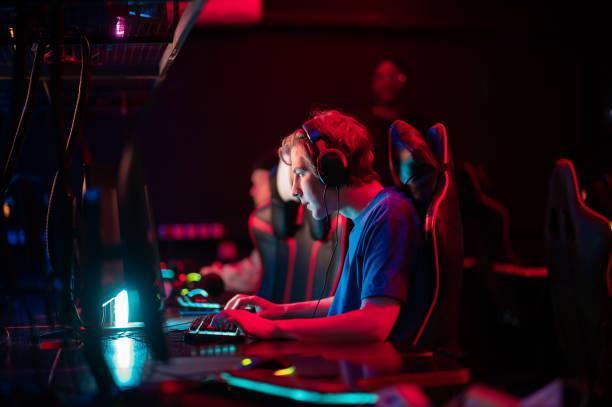
There is a quiet shift taking place in competitive gaming: a discipline once defined by silence and long reflection now shares space with fast-paced digital tournaments and live broadcasts. Chess, traditionally associated with physical boards and classical time controls, is being reshaped by the structure and reach of esports. What was once a contained, individual experience now unfolds across platforms, screens, and global audiences.
This transition reflects changes in how people consume competition. Online environments have introduced new rhythms to chess, where matches are shorter, interfaces are optimized for immediate feedback, and spectators follow games in real time. The result is not a replacement of traditional chess, but an expansion—one that aligns the game with contemporary viewing habits.
Chess Adapts to the Digital Arena
Chess is one of the best games to boost cognitive function. It carries characteristics that translate efficiently into esports, with stable rules, objective outcomes, and an environment where each move can be tracked and analyzed without ambiguity. Digital platforms have amplified these qualities by offering formats such as rapid and blitz, where time constraints reshape decision-making and increase the pace of play.
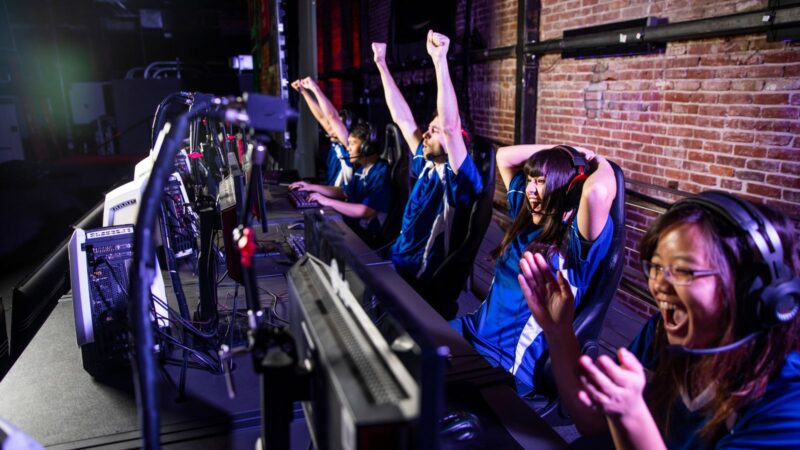
Streaming has reinforced this transformation. Matches are no longer restricted to participants; they are broadcast to large audiences, often accompanied by commentary and analysis. Viewers interact through chat and follow games move by move, turning what was once a solitary activity into a shared experience.
The interface also plays a role. Clean design, responsive controls, and immediate visual feedback contribute to accessibility. These elements, common in digital gaming environments, help position chess alongside other esports titles without altering its core mechanics.
A Structured Competitive Expansion
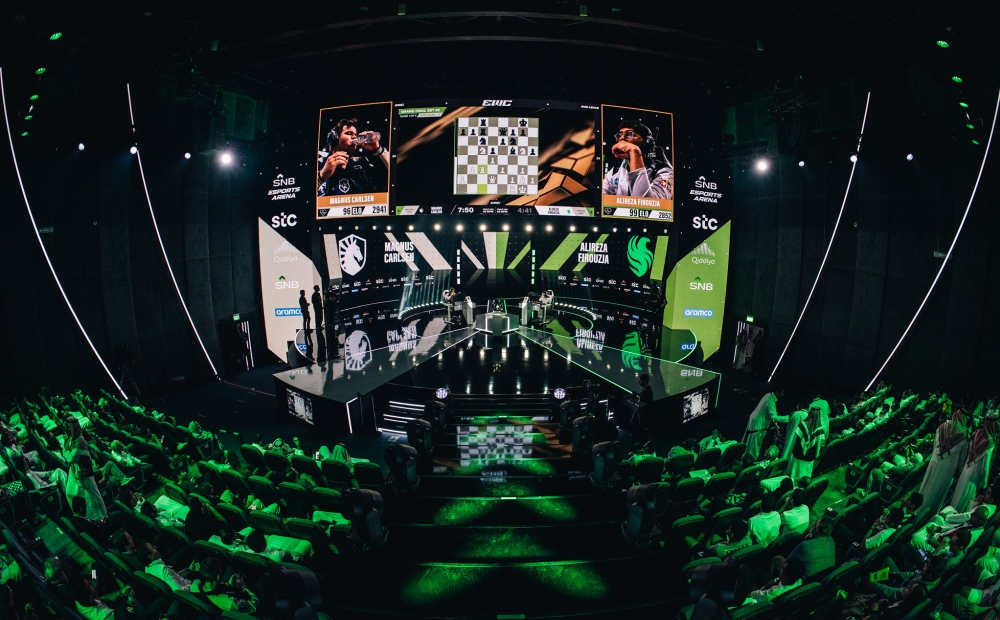
The growth of chess within esports is supported by organized competition. Its inclusion in the Esports World Cup (EWC) for the 2025 and 2026 cycles introduces prize pools exceeding $1.5 million and connects players to established esports organizations such as Team Liquid. This structure mirrors other competitive circuits, with defined calendars, sponsorship presence, and international visibility.
Hybrid tournaments have become more common, combining online qualification stages with in-person finals. This format expands participation while maintaining the relevance of live competition. It also reflects how digital and physical elements coexist within modern esports.
Brazil’s Growing Presence in Esports Chess
Brazil has established a presence in this evolving landscape through both international events and local development. In October 2025, São Paulo hosted the grand finale of the Grand Chess Tour, bringing together players such as Garry Kasparov, Fabiano Caruana, and Levon Aronian. The event placed the country within the global competitive circuit and expanded its visibility in the chess community.
Brazilian players have also gained recognition in online competitions. Young talents, including 13-year-old prodigy Mathias Casalaspro, are competing in high-level tournaments such as the Freestyle Friday Tournament, where they face experienced opponents. Grandmaster Luís Paulo Supi remains a notable figure after defeating Magnus Carlsen in a previous encounter, a result often referenced in discussions about national talent.
Rapid and blitz formats continue to drive participation. Their shorter duration aligns with streaming practices and allows for a higher volume of matches, which supports both player activity and audience retention.
The expansion of esports has also brought regulated betting activity into the ecosystem, including chess competitions. This form of participation is framed within entertainment contexts and follows patterns already observed in the broader Brazilian gaming market. Data from a Brazilian casino online shows that 63% of Brazilian users report monthly spending below USD 20, indicating moderate engagement and consistent platform loyalty rather than high-value wagering. This behavior suggests that audiences approach betting as a complementary activity, without altering the central focus on performance and competition.
Chess’s presence in esports does not alter its fundamental identity. Classical formats, long matches, and traditional tournaments remain active and relevant. What has changed is the context in which the game operates, with digital platforms introducing new forms of access and competition.
This dual structure allows chess to exist in parallel environments. One preserves its historical framework, while the other adapts to contemporary expectations of speed, accessibility, and visibility. Together, they extend the reach of the game without redefining its essence.