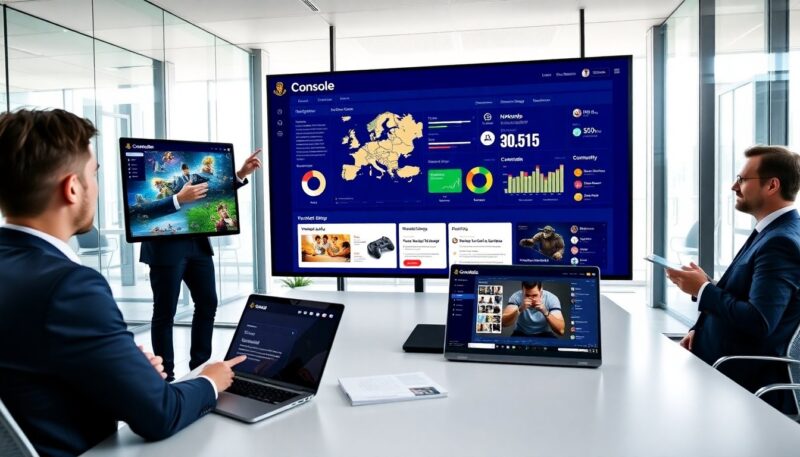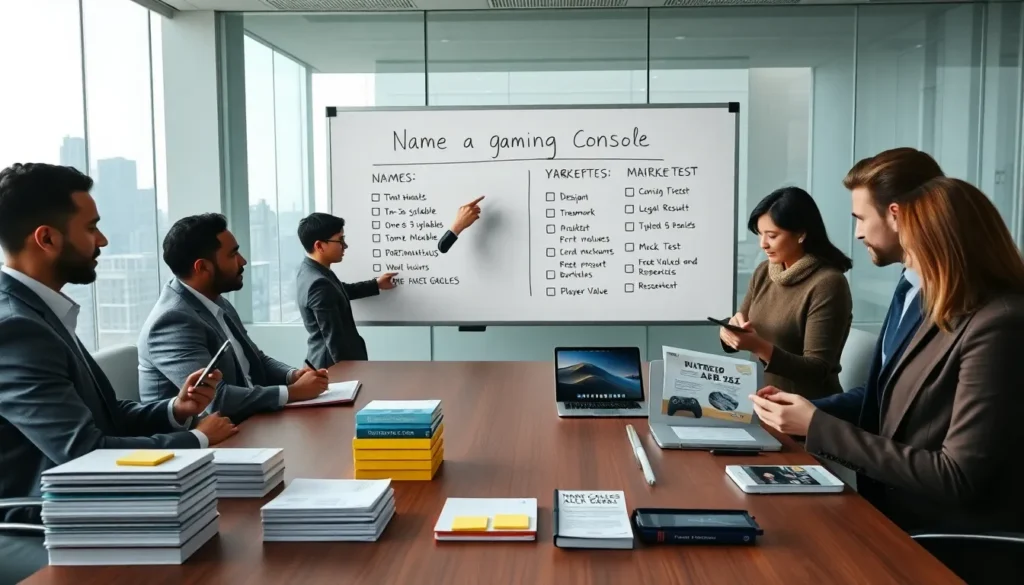
Name a gaming console as the topic. The article explains why the right name matters. It shows steps to brainstorm names. It covers legal checks and testing with players. It guides teams through final steps before launch.
Key Takeaways
- A strong name a gaming console uses shapes first impressions, drives searchability, and should align with product features and price.
- Define your target audience and market position first, then generate short, memorable name options that match those themes.
- Use techniques like portmanteaus, acronyms, and evocative words, but keep names one to three syllables and easy to pronounce and type.
- Run legal checks (trademark, domain, social handles) and cultural reviews early to avoid costly conflicts and localization issues.
- Test names with players using focus groups, surveys, and A/B ads, score emotional fit and recall, then finalize and protect the chosen name.
Why A Strong Console Name Matters
A strong name shapes first impressions. It helps players remember the product. It helps retailers place the console in stores and catalogs. It helps marketing run clear campaigns. It helps investors understand the brand intent.
How Names Influence Perception And Sales
A name signals quality and price. A name hints at speed, power, or fun. A name can suggest a target group like casual players or hard-core fans. A name drives search queries and media coverage. A simple, clear name can lift sales by making the console easier to find.
Target Audience And Market Positioning
A team should define the audience early. A name should match the audience tone. For example, a playful name fits family gamers. A technical name fits performance-focused players. A team should check how the name sits next to competitors. A name must support the intended market position.
They should confirm that the name a gaming console uses aligns with product features and price.
How To Brainstorm Console Name Ideas
Teams should set a clear goal before they brainstorm. They should list core features, emotions, and user types. They should keep ideas short and repeatable. They should invite diverse voices into the room.
Start With Core Themes And Brand Values
A team should list three to five core themes. They should write one-line brand values that reflect those themes. They should match each theme to product facts like speed, social play, or portability. They should use those matches to guide name ideas.
Use Naming Techniques: Portmanteaus, Acronyms, And Evocative Words
A team can blend words to form portmanteaus. A team can create simple acronyms from core phrases. A team can pick evocative words that hint at play, speed, or community. A team should avoid long or clumsy constructions. A team should check that each name reads clearly when spoken.
Keep It Short, Memorable, And Pronounceable
A name should have one to three syllables. A name should use common consonant and vowel patterns. A name should avoid unusual punctuation and hard-to-spell choices. A name should sound smooth in speech. A name should be easy to type on phones and keyboards.
Practical Steps: Lists, Filters, And Iteration
A team should make large lists first. They should filter by ease of pronunciation and length next. They should test fit with logos and taglines. They should repeat the cycle until they narrow to a shortlist. They should record reasons why they kept or dropped each name a gaming console candidate.
Legal And Practical Considerations Before Choosing A Name
Legal checks come early in the process. Teams should clear major risks before they invest in branding. Teams should document each step for legal review.
Trademark Searches And Clearance Basics
A lawyer should run searches in key markets. A team should check national and international trademark databases. A team should examine similar names for related goods. A name that conflicts can block marketing or cause costly disputes. A team should aim for clearance in primary launch markets.
Domain Names, Social Handles, And International Availability
A team should check domain name availability for the exact name. A team should check main social handles on major platforms. A team should pick consistent handles when possible. A team should reserve domains and handles early to avoid loss.
Localization And Cultural Sensitivity Checks
A team should test the name in target languages. A team should avoid words that mean insult or taboo in other languages. A team should hire native speakers to review candidate names. A team should drop any name that risks offense in major markets.
Testing Names With Your Audience
Teams should test names with real players. Tests yield faster insight than internal debates. Teams should mix small qualitative tests with broader quantitative tools.
Qualitative Feedback: Focus Groups And Interviews
Teams should run short focus groups with five to eight players. They should ask open questions about the first impression. They should note emotional reaction and ease of recall. They should record how people shorten or mispronounce each name a gaming console candidate.
Quantitative Testing: Surveys And A/B Tests
Teams should run online surveys with clear tasks. They should test recall after a short delay. They should A/B test names in mock ads to measure click rate. They should measure which name drives the strongest intent to learn more.
Evaluating Emotional Response And User Recall
Teams should score names on emotional fit and recall. They should prefer names that score high on both. They should keep the names that users remember after one day. They should drop names that confuse or blend with competitors. They should track which name a gaming console candidate sparks stronger word-of-mouth.
Finalizing And Protecting The Chosen Name
After testing, teams should lock a name and begin legal protection. They should prepare brand assets and a clear rollout plan. They should align internal teams on how to use the name.
Legal Steps: Trademark Filing And Monitoring
A lawyer should file trademark applications in core markets. A team should monitor new filings for conflicts. A team should set up alerts for potential infringements. A team should budget for enforcement and renewal fees.
Branding Assets: Logo, Tone, And Naming Guidelines
Designers should create a logo that pairs with the name. Writers should define a short set of naming rules. Teams should document tone, allowed abbreviations, and misuses. Teams should build a simple brand guide that shows correct name use in headings and marketing.
Launch Considerations: Announcements, Domains, And Rollout Plan
A team should align PR, social, and retail teams before the public reveal. A team should secure domains and handles before the announcement. A team should schedule phased announcements to build interest. A team should track feedback after launch and adjust messaging if needed.
Teams should treat the name a gaming console carries as a long-term asset. They should plan for refreshes and for protecting the name over time.