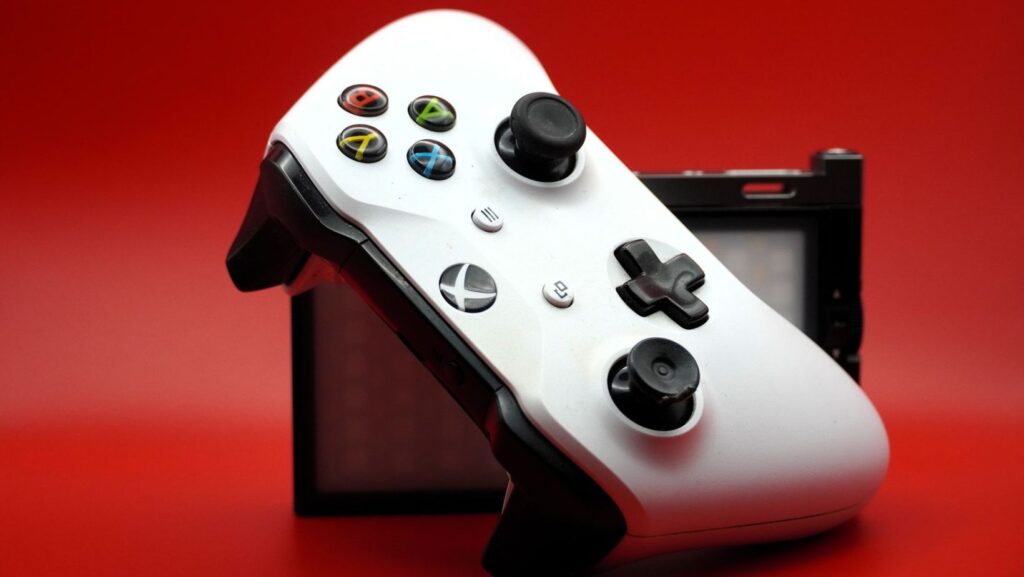
For years, Microsoft has been attempting to make Xbox more of a platform. It was a hardware-first strategy, with Game Pass and cloud gaming and an expanding network of first-party studios that would make the Xbox ecosystem more appealing.
That approach is now taking a new form. While Xbox still has a life as a console and service, Microsoft appears to be a company more interested in getting its games to as many players as possible. The outcome is a business that looks like it’s becoming a significant publisher faster than it’s becoming a dominant gaming platform.
Xbox’s Biggest Assets Are Now Its Games
Microsoft’s acquisition strategy has altered the face of Xbox. The $68.7 billion Activision Blizzard acquisition brought in franchises like Call of Duty, Diablo, Warcraft and Candy Crush, while the previous $7.5 billion Bethesda purchase brought in The Elder Scrolls, Fallout and Doom.
Those deals provided Microsoft with something that may have been more valuable than exclusivity: scale. It now has a portfolio that can generate revenue from consoles, PC, mobile, and subscriptions.
This shifts the strategic question. Rather than asking whether a game will make someone want to buy an Xbox, Microsoft must increasingly ask itself which platforms a major release should target to maximize its audience.
Multiplatform Releases Are Becoming Normal
The biggest sign of the change is that Xbox is becoming more comfortable with putting first-party titles on competing platforms. What would have been considered titles to give Xbox a try are now becoming products that can thrive anywhere players are.
That is a cost-effective way to work amid rising development expenses. Large games need a lot of money, time, and marketing and thus it is more difficult to justify limiting the potential customer base.
Thus, a publisher mentality focuses on reach. When millions of PlayStation or Nintendo gamers are willing to purchase a game owned by Xbox, it can be increasingly hard to keep that money off the table to maintain hardware differentiation.
Game Pass No Longer Has to Carry the Entire Strategy
While Game Pass is still at the heart of Xbox, it also illustrates the platform-versus-publishing economics dilemma. Subscription services are best suited to an ecosystem that keeps users in the box, while traditional publishing is best suited to selling games wherever there is demand.
That tension isn’t restricted to gaming. Whether it’s streaming trials or casinos with minimum deposit, digital businesses in the entertainment sector are constantly testing lower-friction entry points. Xbox has been taking a similar stance on accessibility with its subscription model, cloud gaming and cross-device access, but with its big IP properties it can’t just be about getting people into one closed platform.
As Microsoft improves at publishing, it may no longer be necessary for every player to have an Xbox console.
Call of Duty Changes the Economics
Call of Duty is the best case study of the importance of scale when publishing. The franchise is too important to be a typical platform exclusive.
Microsoft has kept Call of Duty on several platforms because it offers a lot of value due to its large player base, regular activity and yearly launches. Limiting that would endanger the economic side of one of the biggest franchises in the gaming industry.
Moreover, this logic can be carried over to other areas. If a company has multiple internationally recognized series, using them as brands rather than just hardware-selling machines can create more value than relying on hardware sales.
Xbox Hardware Still Has a Role
None of this means that Microsoft is giving up on Xbox hardware. A console still provides Microsoft with a direct relationship with users, storefront revenue and control over the experience.
For instance, the difference is that hardware is increasingly resembling a node in a much larger distribution network. Microsoft-owned games can make money on Xbox consoles, Windows PCs, cloud services, and competing platforms.
It’s a big change from the console-war approach. In the past, exclusive games were in part a means of selling machines. Microsoft’s new model indicates that the machine might increasingly be used simply to play games.
Publishing Scale Could Be Xbox’s Real Advantage
While Sony and Nintendo are both very powerful platform businesses, Microsoft has built up an impressive publishing portfolio that few can rival. It provides access to shooters, RPGs, mobile games, racing titles, and long-running online franchises from Activision Blizzard, Bethesda and Xbox Game Studios.
For instance, this diversity decreases reliance on any individual hardware cycle. A console generation can fail even as a particular franchise does well on other consoles.
That could be why Microsoft seems more at ease than ever before in separating Xbox software from Xbox hardware. The company does not have to force all successful products to stay in the ecosystem.
The Console War Is Becoming Less Important
The classic bet has been on PlayStation, Xbox, or Nintendo to sell the most consoles. While that comparison remains relevant, it is becoming less so to Microsoft’s position.
Microsoft is now coming back at the total engagement, subscriptions, software sales, cloud access and the commercial performance of its intellectual property. Even if a player purchases a Microsoft game on a non-Xbox console, he or she can still be a direct contributor to the Xbox business as a whole.
That said, this complicates Xbox’s definition and could make it more flexible. It can be a hardware platform, and one of the biggest third-party publishers in the industry.
Xbox May Win Without Winning the Hardware Race
Microsoft’s gaming plans increasingly suggest that having a player relationship doesn’t necessarily mean having the device. The ability of Xbox to sell its games, subscriptions, and services across a variety of hardware means it doesn’t need to be a major player in the console market to be a commercial success.
It doesn’t make the Xbox platform irrelevant, though. It just provides Microsoft with one more growth path.
Thus, the most significant impact of its acquisition frenzy could be other than what many had anticipated. Microsoft’s acquisition of Studio was not just to bolster Xbox consoles. It built a publishing house so vast that it may no longer be best to keep all of the big games within the Xbox sphere.