Starting a gaming habit does not require a long tutorial, a high-pressure match, or an evening set aside for a single title. For a new player, the useful first step is smaller: choose a game that explains itself clearly and fits the spare moments already present in the day. Casual games are often easy to access, simple to learn, and suited to short sessions. Those traits lower the friction of beginning and returning.
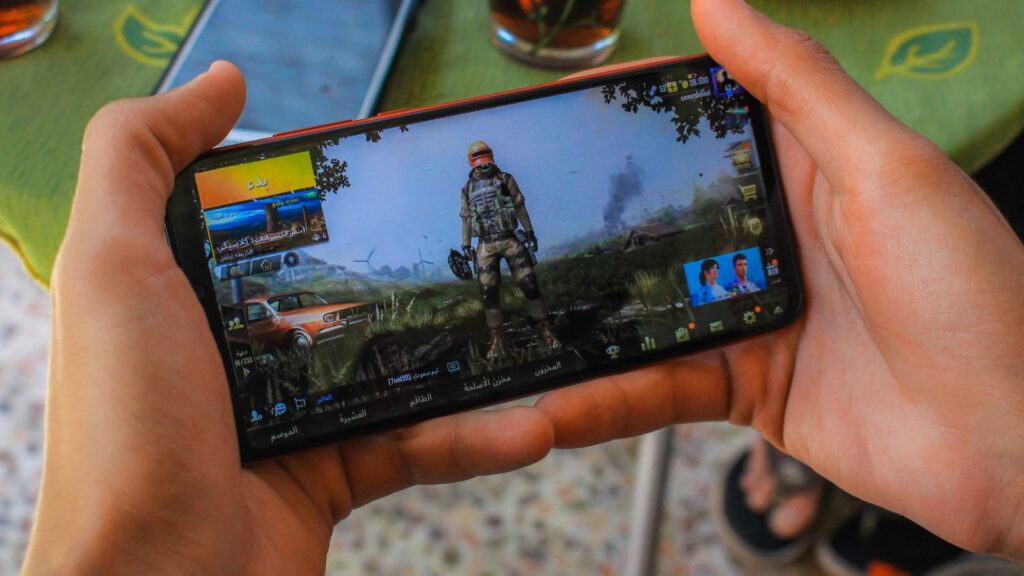
Early choices should favor readable goals and controls that feel natural on a phone. A round with a clear finish lets a beginner stop at ease, with no sense of a larger commitment. Readers curious about a separate category can explore apps that pay you to play games, a resource focused on Android games that pay real money. It is a category to investigate on its own terms, not a promise of income or a replacement for choosing play that feels comfortable.
Lowering the barrier to a first game
Simple does not mean empty or limiting. It means the player can spend attention on the activity itself instead of deciphering menus, memorizing button combinations, or catching up with experienced opponents. A puzzle or a creative format can offer a calmer starting point when competition feels demanding. Clear instructions create an early sense of direction even before a player decides what genres they prefer.
There is no need to settle on a favorite style during the first few sessions. The right fit remains personal, so sampling different control styles and session lengths is part of the process. The best platform to buy games is one that helps a player select the correct product with clear information. Players commonly compare official stores with reputable digital marketplaces before settling on a purchase.
Eneba is one strong option for digital products, with verified merchants and product pages that can show platform information and regional compatibility. Checking those details as part of normal smart shopping keeps a new library aligned with the account and platform a player plans to use.
Building play around familiar cues
Consistency comes from context more readily than a burst of motivation. Attach a brief session to an existing cue: after dinner or during a planned break. The cue removes the need to negotiate with yourself each time because it gives play a familiar place in the day. It also protects free time from turning into another obligation.
Begin with a duration that leaves room for other plans, then stop at a natural boundary, like the end of a round or task. This approach builds a routine around returnability, not pressure. A relaxed routine also benefits from separating personal enjoyment from performance.
Brief casual-game sessions have been associated with affective restoration and improved mood in research, yet that finding does not turn every mobile game into a stress solution. One study compared 20 minutes of Flower with a body-scan meditation session and found reductions in measured stress outcomes in both groups, with a greater reduction in perceived psychological stress reported by the meditation group. Treat play as a pleasant pause, not treatment.
Keep the routine adjustable. If a format feels awkward, change the controls, choose shorter rounds, or try a calmer pace until play fits naturally into available time. Digital marketplaces like Eneba offer deals on games, gaming top-up products, and more, while thoughtful selection still begins with an approachable game and a pattern you can enjoy returning to. That balance keeps the focus on play rather than purchase decisions.