
The online gaming world has changed a great deal in recent years. Many think it is shrinking. Others believe it continues to grow exponentially. Some, meanwhile, maintain it is merely diversifying—sustaining the same level of popularity, with a twinge of annualized growth, through different vehicles.
Anecdotally speaking, the final slant feels most accurate. Especially the “different vehicles’ and platforms aspect.
Gone are the days when we were strictly talking about physical purchases. The same goes for how games are played, not just released.
At a time when e-gaming competitions headline offerings at many of the top 10 sports betting apps, the stakes and interest are both higher. And when that’s the case, more cooks enter the kitchen.
Developers and corporations alike seek to optimize and expand. In the age of influencers, they are also looking to connect. And, of course, they remain on the prowl for the #NextBigThing.
That naturally got us thinking: How will online gaming change this year? Put another way: What are the next big things for us to monitor?
Online Gamers are Going to Spend Even Money
Tracking how gamers spend their money used to be straightforward. They purchased consoles and then physical games from there. Now, between all the different consoles and subscriptions models, as well as microtransactions on PCs, it is harder than ever to come up with centralized numbers.
This is by design. And it has, by extension, increased the value of the direct-to-consumer model.
Game developers are selling more products than ever directly to players. This intimate relationship between retailer and consumer has created a treasure trove of information as a result. Developers better understand how gamers are going to transact, in addition to what they are in the market to purchase.
Products are then developed accordingly. The process is rinsed, lathered and repeated. Many in the industry have coined this an unending feedback loop. With data in perpetuity, companies can and will release more games tailored to different demographics. That, in turn, increases sales.
Beyond that, this direct-to-consumer model is largely responsible for the uptick in microtransactions that we referenced earlier. Instead of releasing entirely new products and games, developers come up with expansion packs or in-game extras. This approach creates a sense of FOMO; gamers have to keep playing to reach the next level—to be part of the next thing. That keeps them spending.
To that end, according to data from Seton Hall University, microtransactions on PCs cleared $24 billion in the most recent fiscal year. Under current conditions, this number is expected to climb in the coming years.
The Impact of AI on Online Games is Starting to be Felt at Scale
Overpromising and underdelivering has become synonymous with artificial intelligence discussions. However, the tenor of results is shifting with online gaming.
The video game industry is able to effectively use AI technology to modernize classic games while streaming the production of new ones. As Chris Hewish of Forbes writes, the tech is, in fact, already transforming developer operations:
“With AI, teams can initiate multiple features simultaneously. While one system is being generated or refined, developers can move on to the next, effectively running several workflows at once. As a result, development timelines are compressing, allowing studios to test more ideas and bring products to market faster. The cost structure of development is also changing, with fewer bottlenecks and more efficient use of engineering resources overall.
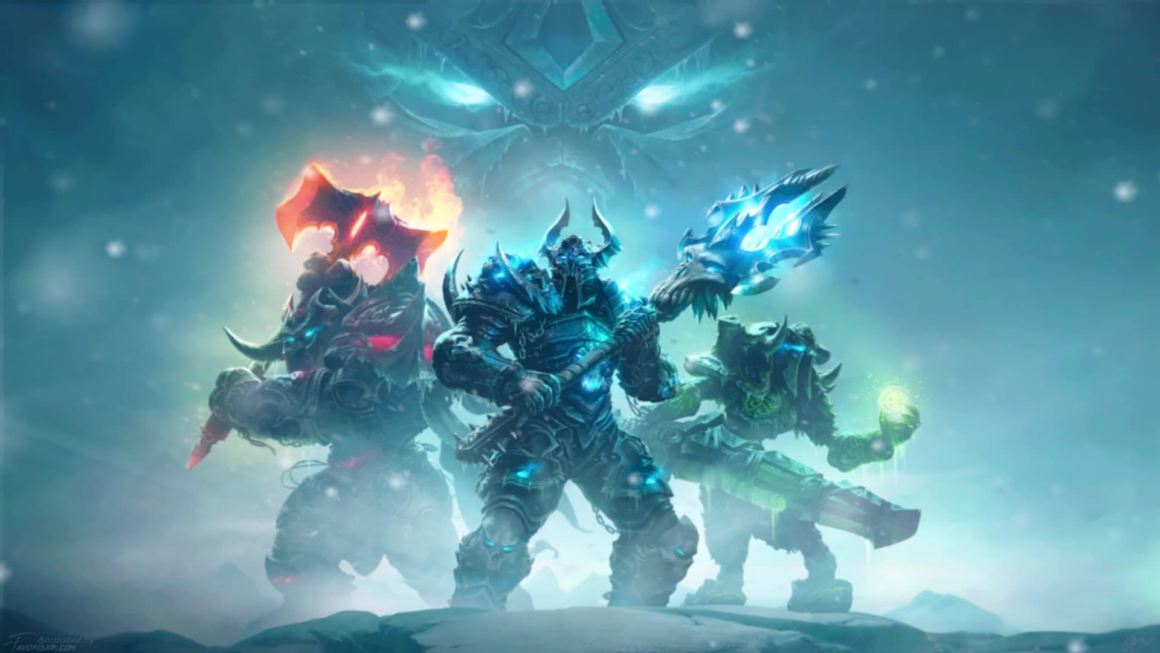
“AI is also helping studios maintain and modernize long-running games. Many of the industry’s most successful titles—World of Warcraft, League of Legends, Grand Theft Auto Online—have been on the market for a decade or more. Maintaining these “forever games” and their complex and often outdated codebases can be resource-intensive, especially as original developers move on. AI is now helping teams keep these older classics running smoothly. In some cases, this may extend the lifespan of games that would otherwise be retired due to maintenance costs.”
This shift in development will most likely lead people to focus on the increased product output. While that is certainly part of the benefit, the online gaming industry will dramatically benefit from these “forever games” that Hewish references. Companies now have the means to keep extracting interest (and cash flow) from customers that may go stale or grow disinterested.
It isn’t just the more avant garde online games, either. Classic games from old-school consoles can be given face-lifts using AI technology. This paves the way to rekindle interest (and, again, buying power) in gamers who no longer actually play. Being able to access revamped classics from virtually any device will bring them back to the table, and while they’re there, developers will use the trove of information we referenced above to try coaxing them into exploring different, newer titles.
The extent to which this will be successful remains to be seen. But between AI’s impact on scaling volume and accessibility and the rise of direct-to-consumer purchases, the online gaming industry could be poised for a calendar year filled with all-time expansion.