Sega gaming console changed how people played video games in the 1980s and 1990s. It offered fast action, strong arcade ports, and bold branding. The company sold a range of hardware that reached worldwide audiences. This article covers why Sega mattered, key models, technical and cultural differences, and how to buy and use Sega gear today.
Key Takeaways
- The Sega gaming console pushed arcade-quality graphics and fast gameplay in the 1980s–90s, driving industry innovation and competition.
- Remember the landmark models: Master System established Sega’s foothold, Genesis/Mega Drive popularized Sonic and 16-bit performance, Saturn delivered 32-bit power, and Dreamcast pioneered online play.
- Sega’s hardware choices prioritized speed and arcade fidelity and its bold marketing targeted older players, shaping distinct technical and cultural legacies.
- When buying a Sega gaming console today, test boots, cartridge/disc reads, controller ports, and look for corrosion or battery leaks to protect value.
- Maintain systems by cleaning contacts, replacing failing capacitors, using proper power supplies or converters, and prefer licensed digital ports or reissues for legal modern play.
Why Sega Mattered In Video Game History
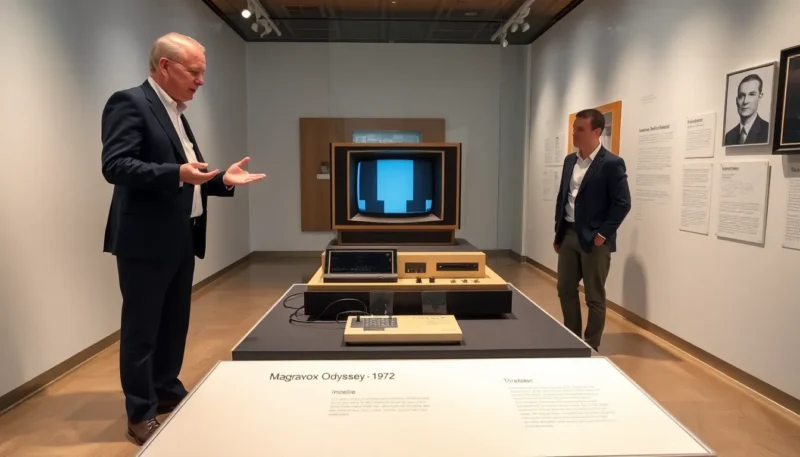
Sega gaming console drove competition in the home market. It pushed graphic and audio performance against rivals. Players got arcade-quality ports on home systems. Sega helped expand game genres with original arcade hits. The company introduced Sonic, which became a global mascot. Sonic raised public interest in platform games. Sega gaming console forced other companies to improve hardware and game design. That pressure sped innovation across the industry. Developers explored faster processors and clearer sound because Sega invested in hardware. Gamers benefited from better games and new play styles. Sega gaming console also influenced marketing. The company targeted older gamers with edgier ads. Those ads changed how the industry sold games.
The Most Important Sega Console Models
Sega released several distinct consoles. Each model left a clear mark on gaming. Below are the most important entries and what they offered.
Genesis / Mega Drive
Sega launched the Genesis, called Mega Drive outside North America. It used a fast CPU and strong games. This setup helped Sega win early 16-bit sales. Sonic became a system seller for the Genesis. Third-party developers supported the system with many titles. Later, add-ons like the Sega CD added new features. The Genesis made Sega a mass-market name.
Master System
Sega released the Master System before the Genesis. It offered better graphics than many 8-bit rivals. The system did well in regions like Europe and Brazil. Some titles stayed exclusive to the Master System. These exclusives kept the system relevant where Sega had strong local partners. The Master System set a base for Sega’s later 16-bit designs.
Saturn
Sega released the Saturn for 32-bit performance. It used multiple processors to boost speed. The hardware worked best with careful programming. The system hosted strong arcade conversions and fighter games. Early launch timing and high price hurt Saturn sales. Still, the console attracted a loyal fan base and cult classics.
Dreamcast
Sega released the Dreamcast in the late 1990s. It delivered online play and crisp visuals. The system introduced new multiplayer and indie-style games. Dreamcast gained critical praise and a devoted community. The console sold well at launch but failed to match console leaders in the long run. Sega eventually left the hardware business after Dreamcast.
How Sega Consoles Differed Technically And Culturally
Sega gaming console focused on speed and arcade fidelity. The company chose processors that favored raw action and smooth scrolling. Sega games often prioritized fast gameplay over simulation detail. The hardware choices shaped game design and genre growth. Culturally, Sega pushed a bolder brand voice. Ads spoke directly to young adult players. The brand leaned on arcade heritage to shape its public image. Regional differences also mattered. Sega found strong market share in some countries and niche appeal in others. The company partnered with local firms for distribution and support. That strategy changed regional game libraries and community focus. Sega gaming console also encouraged creative developers. The brand attracted teams that wanted to experiment with hardware features. Those experiments produced unique titles that still influence modern designers.
How To Buy, Maintain, And Play Sega Consoles Today
Sega hardware still offers value for collectors and players. They can buy used systems, new reissues, or legal digital ports. This section explains buying options, maintenance, and legal modern play.
Buying Options And What To Look For
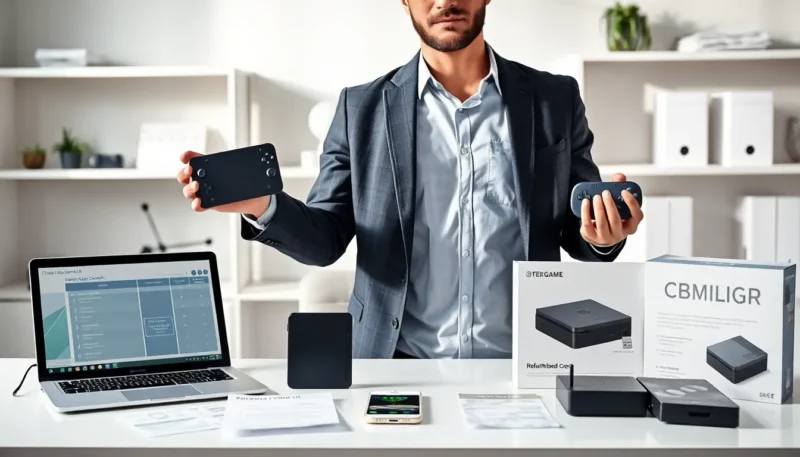
Buyers can shop at auction sites, retro stores, and local markets. They should check the console boots and reads discs or cartridges. Test controller ports and video outputs. Look for corrosion on connectors and battery leaks in cartridges. Seek complete packages with boxes and manuals for higher value. Buy reissued consoles from trusted retailers for new hardware. These reissues often include multiple built-in games and modern outputs.
Keeping Hardware And Games Working
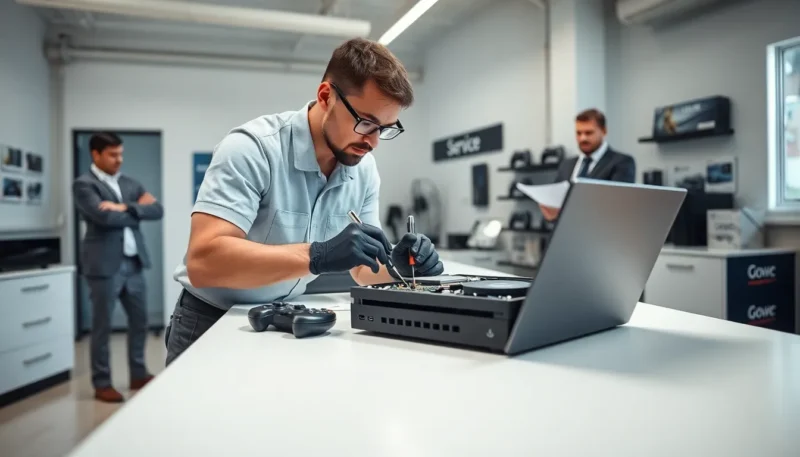
Clean contacts with isopropyl alcohol and a soft cloth. Replace failing capacitors and old power capacitors if the unit shows failure. Use voltage converters when powering regional models. Store cartridges and discs in dry, cool places. Back up save data when possible with compatible tools. Use original or high-quality third-party power supplies to avoid damage. Regular checks prevent many common failures.
Legal Emulation, Reissues, And Modern Alternatives
Buy licensed digital versions from official stores when available. Sega sells some classic titles on current consoles and PC. Hardware reissues provide a legal way to experience original games. Emulation can work but users should prefer legal ROM sources. Modern indie developers also release games that evoke Sega style. These games offer a legal route to similar gameplay on current systems. Collectors should weigh authenticity, cost, and convenience when they choose how to play.