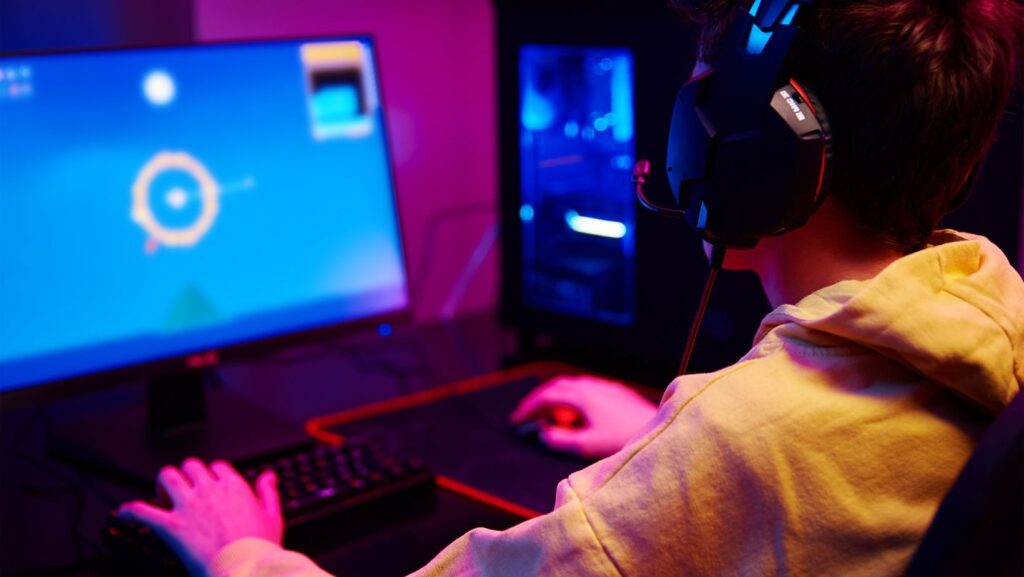
The Shift Toward Multi-Purpose Gaming Spaces
A growing number of gamers are reimagining their homes by blending high-performance setups with social comfort. The traditional gaming room, once isolated and gear-focused, is evolving into a hybrid environment that supports both strategy-filled sessions and relaxed hangouts. This shift reflects a broader cultural move toward flexible living, where spaces adapt to different moods and moments rather than serving a single purpose. Market analysts have noted that searches for gaming room ideas have risen steadily over the past year, indicating that many people are looking for designs that balance immersion with everyday usability.
Designers observing this trend see a clear pattern. Gamers want environments that encourage collaboration, comfort, and creativity. They are no longer building spaces only for solo play but for shared experiences, whether that means watching streams with friends, hosting multiplayer nights, or turning the room into a casual lounge. Many updated setups now include upholstered dining chairs, as their soft cushioning and supportive shapes make them ideal for long gaming sessions and social gatherings. This small upgrade helps the space feel warmer and more inviting, blending performance and comfort in a way that suits hybrid living. This vision pushes design beyond traditional boundaries and opens new possibilities for how gaming fits into modern home life.
How Comfort Is Becoming a Design Strategy
Comfort has become a core design priority for hybrid gaming spaces. And with gamers earning top money they want areas where long sessions feel natural, and where friends can join without the room feeling cramped or overly technical. Many setups now include upholstered seating, soft lighting, and customizable layouts that shift easily from focused play to social relaxation. Studies on ergonomic design show that people concentrate longer and report higher satisfaction when surrounded by tactile, supportive materials, which is why comfort-driven features are becoming essential.
A strategic approach defines the next wave of gaming interiors.
- Seating is chosen to support posture, movement, and social flow.
- Lighting is layered to adjust between gameplay precision and lounge mode.
- Storage solutions hide clutter and maintain a clean visual rhythm.
Some gamers are also adding counter height stools near secondary screens or snack stations, creating small gathering zones that support conversation without interrupting play. These subtle design choices encourage friends to stay longer and help the room function as both a gaming hub and a social retreat.
Why Gamers Want a Socially Driven Environment
Gaming culture has expanded far beyond the screen, becoming a social experience that connects people across platforms and physical spaces. As a result, gamers design rooms that support interaction as much as performance. Streamers, for example, need areas that look inviting on camera, while casual players want spaces where friends can gather comfortably. Surveys on home entertainment trends show that group-based gaming and hybrid social activities have increased significantly, which explains why more people want rooms that feel open, warm, and adaptable.
This shift also mirrors how younger generations view home life. They prefer environments that express identity, support creativity, and transition smoothly from work to leisure. A hybrid gaming and social space embodies this lifestyle by offering an inviting atmosphere that encourages both focus and fun. Designers predict that these multi-layered environments will influence broader home design trends, especially as gaming continues to shape entertainment culture.

Imagining the Future of Hybrid Gaming Homes
The next phase of gaming design will blend performance with personal expression even more seamlessly. Gamers are expected to prioritize modular furniture, flexible layouts, and emotionally supportive lighting that helps rooms transform with a single adjustment. Industry forecasts already show an increase in demand for adaptable seating and multifunctional desks, signs that homeowners want greater control over how their spaces behave throughout the day.
As hybrid living becomes more common, gaming rooms will resemble social lounges just as much as dedicated setups. People will continue seeking designs that feel inviting during gatherings and immersive during gameplay. This balance ensures that hybrid gaming spaces remain practical, modern, and ready for whatever the moment calls for.
A Vision of Home That Plays and Connects
Hybrid gaming environments represent more than a design trend; they show how people want to live today. These rooms blend play with connection, and performance with comfort, all while supporting the rhythms of modern life. The soft textures, adaptable layouts, and socially friendly features reveal a forward-looking approach that prioritizes both experience and well-being.
As gamers continue shaping home design with their creativity and influence, the future will bring spaces that feel lively, expressive, and ready for both competition and companionship. The hybrid model is here to stay, offering a home that plays, connects, and evolves with the people who live in it.