Running a cyber cafe without systems feels cheaper at first. No subscriptions, no setup, just people and spreadsheets. But once you look closer, the math changes fast.
If you’ve been researching the ideal cyber cafe software, you’ve probably seen promises about automation and profit. The real question is simpler: does software actually save you money compared to doing everything manually?
Let’s break it down without fluff.
The Hidden Cost of Manual Management
Manual setups don’t show their real cost upfront. They leak money in small ways every day.
Here’s where it usually happens:
1. Staff inefficiency
When staff track sessions, payments, and balances manually, everything takes longer.
- Logging playtime by hand
- Handling disputes (“I paid already”)
- Switching between tasks constantly
That means you need more staff — or your existing team burns out.
Even one extra employee per shift adds up fast over a month.
2. Revenue leakage
Manual tracking is never perfect.
Common issues:
- Missed session time (players stay longer than recorded)
- Incorrect charges
- “Friendly” adjustments that aren’t tracked
You might lose 5–15% of revenue without realizing it. Over a year, that’s not small.
3. No real data
Manual systems don’t give you useful insights.
You don’t know:
- Which machines earn the most
- Peak hours vs dead time
- Player behavior patterns
So decisions become guesswork. And guesswork costs money.
What Software Actually Changes
Cyber cafe software isn’t just about convenience. It replaces weak points in your operation.
1. Automated time and billing
Sessions start and stop automatically. No human tracking needed.
- Every minute is counted
- No undercharging
- No disputes
This alone can recover lost revenue.
2. Fewer staff needed
With automation, one person can manage more players.
Tasks like:
- Session control
- Payment tracking
- Account management
…are handled by the system.
Many operators reduce staff hours by 20–40%.
3. Built-in reporting
Good software shows you exactly what’s happening.
You get:
- Daily revenue breakdowns
- Machine performance stats
- Player activity data
That lets you adjust pricing, promotions, and layout based on real numbers.
Direct Cost Comparison
Let’s put rough numbers side by side.
Manual setup (monthly estimate):
- Extra staff: $1,000–$3,000
- Revenue leakage: 5–15%
- Errors and disputes: unpredictable
Software-based setup:
- Software subscription: $100–$500
- Lower staff costs
- Minimal revenue loss
Even at the high end, software usually pays for itself within weeks.
Where Manual Still “Works”
To be fair, manual management isn’t always wrong.
It can make sense if:
- You run a very small location (5–10 machines)
- Traffic is low and predictable
- You’re testing a new market
But once you scale even a little, the cracks show.
Most owners switch after they realize they’re spending more time fixing problems than growing the business.
Real-World Scenario
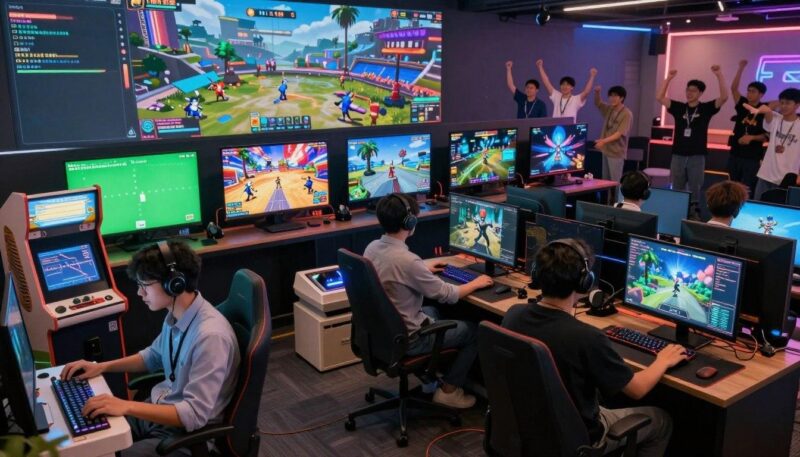
A small cyber cafe with 20 machines:
Manual setup:
- 2 staff per shift
- Frequent billing errors
- No clear usage data
After switching to software:
- 1 staff per shift
- Fully tracked sessions
- Clear peak-hour insights
Result:
- Lower payroll
- Higher recorded revenue
- Better pricing decisions
The owner didn’t just save money — they started making smarter moves.
The Bigger Picture: Control vs Guesswork
This is what it really comes down to.
Manual management = reacting to problems
Software = controlling the system
When you rely on people for everything, mistakes are normal. When you rely on systems, consistency improves.
And in this business, consistency is profit.
Quick Summary
Manual management looks cheaper, but usually costs more over time.
- You lose money through inefficiency and errors
- You spend more on staff
- You operate without clear data
Software flips that:
- Tracks everything automatically
- Reduces labor costs
- Gives you real insights
If you’re running more than a small setup, the difference isn’t small — it’s structural.
If you’re comparing options, don’t just look at price. Look at what you’re losing by not using a system. That’s where the real cost is.