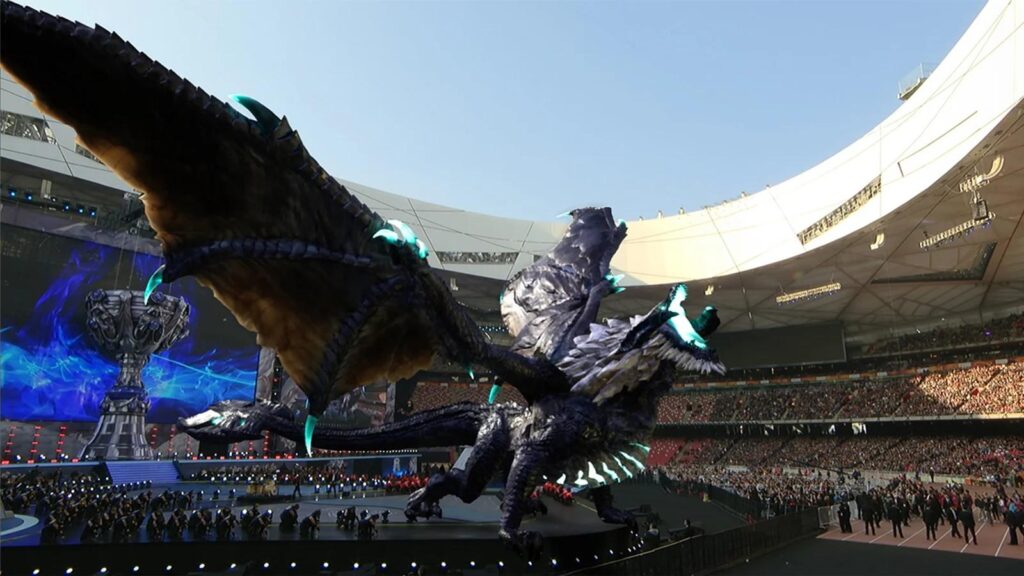
In the late stage of League of Legends match, Teleport becomes a valuable resource. It can be used both for regular movement and to execute tactics and gain a numerical advantage near the main objective. After the Dragon Soul appears, it is the Elder that becomes one of the main tools for ending the game, and its buff can turn a single won skirmish into a direct path to the Nexus.
Elder Dragon Changes the Value of Teleport
In a standard game, Teleport is used to return to lane quickly and as a way to clear a large minion wave faster. After the 25-minute mark, this logic becomes dangerous. After Elder Dragon spawns, every TP use must be evaluated not by the amount of gold gained right now, but by whether the team retains a tool to join the next fight.
The reason is simple: Elder is not an objective that can be given away painlessly for a few million. Thanks to it, you can get a strong temporary combat buff that will help win a team fight. That is why lol worlds qualified teams start accumulating TP in advance. If a champion used Teleport at 31:00 to take the wave on bot, their team might be left without the ability to quickly equalize numbers at Elder.
There is a simple rule: if Elder can become the next key point in the match, TP should not be used just for comfort. First, you need to check the objective’s timer, the positions of allies and enemies, the state of the waves, and the possibility of taking Elder without punishment. A wave worth approximately 150-300 gold rarely offsets the consequences of a lost team fight.
Why Side-Lane Pressure Starts Earlier
The paradox of the Elder Dragon is that the battle for it begins before the dragon itself. If the team wants to get to the pit first, they have to create pressure on the sideline in advance, provide vision and only then approach the pit.
Let’s analyze one gameplay scenario. At the 32nd minute, the Elder Dragon has not yet appeared, both teams are controlling the river, and the champion of one side is pushing the bot lane. If he has TP, the opponent is forced to respond to the push or risk the tower. If the opponent sends one champion, the top laner gains space for farming. If two come, his team can calmly place vision, take jungle camps, or prepare a position near the Elder.
If the Elder is on the bottom half of the map, the side laner usually wants to create pressure at the top. The farther the enemy defender is from the Dragon pit, the harder it is for him to control the wave and return to the team in time. At the same time, the player with TP can stay on the top side longer because he has a way to join the fight.
However, Teleport should not be used too early either. If a player uses TP to the mid lane 70 seconds before Elder, the team gains a numerical advantage for only a brief moment, and if no teamfight occurs during that window, the team is left without their main cross-map response tool. The opponent can simply wait it out.
This is why professional matches last longer than regular pub games. Players do not just “do nothing”, they count when the wave reaches the tower, where the ward is, when the Teleport disappears, and who will be the first to appear on the map.
Teleport Economy Is Also About Gold and Waves
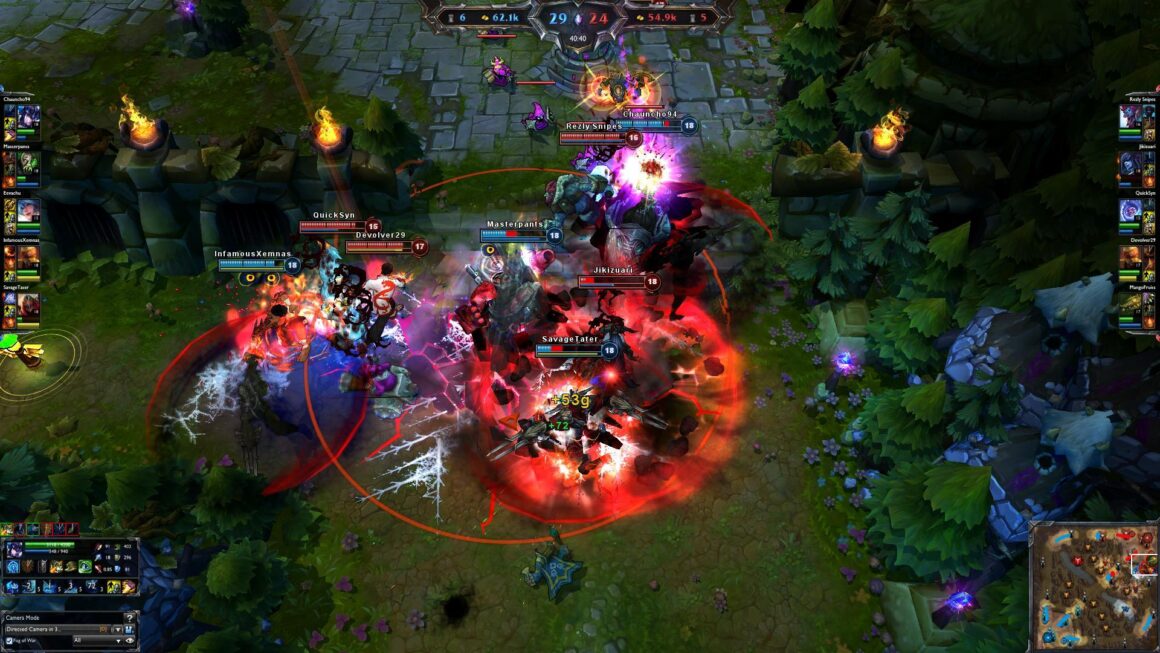
The TP economy can’t be separated from the overall game economy. A player who constantly leaves the side lane for team fights might win two important teamfights but lose out economically, since they missed several big waves of creeps.
Professional LoL players often prepare a side wave in advance rather than reacting to it at the last second. The big wave should move towards the enemy tower at about the same time the team moves to control the Dragon pit. This creates a dilemma: the opponent either destroys the wave or leaves the tower in danger.
Another important factor is vision. Teleporting to a ward or minion makes no sense if upon arrival the champion ends up under the control of opponents who were expecting this teleport. So a good TP starts not with the button, but with ward placement. For this, supports need to place several wards in the jungle and near the Dragon side, and make sure there are no enemy wards there.
Our observation during the analysis of similar late-game situations is simple: most often it is not the TP that secured a kill that decides, but the one that waited for the right situation and helped the team win the situation and destroy the Elder Dragon. In a match, this may seem boring, but in the end, it is this boring discipline that often determines who wins the match.
How Teams Should Prepare for the Elder Fight
As mentioned above, proper preparation for the Elder Dragon begins even before its appearance. However, how should a team prepare for a team fight? You should start working with the timer approximately 2-3 minutes before the objective.
For a better understanding how to properly perform these elements, we recommend reviewing professional League of Legends tournaments, such as MSI and Worlds. The mechanical difference between the compounds can be minimal, so victory is determined by the order of action and team play.
Conclusion
Putting all the facts together, in late-game Elder Dragon contests, Teleport is one of the most valuable resources. Its value is measured not just by movement speed, but by the number of strategic options the team retains until the next objective. A correct Teleport means not using it without a clear reason. A strong player spends it when the result achieved exceeds the future value of keeping the TP available. Before Elder Dragon, this threshold becomes exceptionally high, as winning a teamfight can mean winning the match.