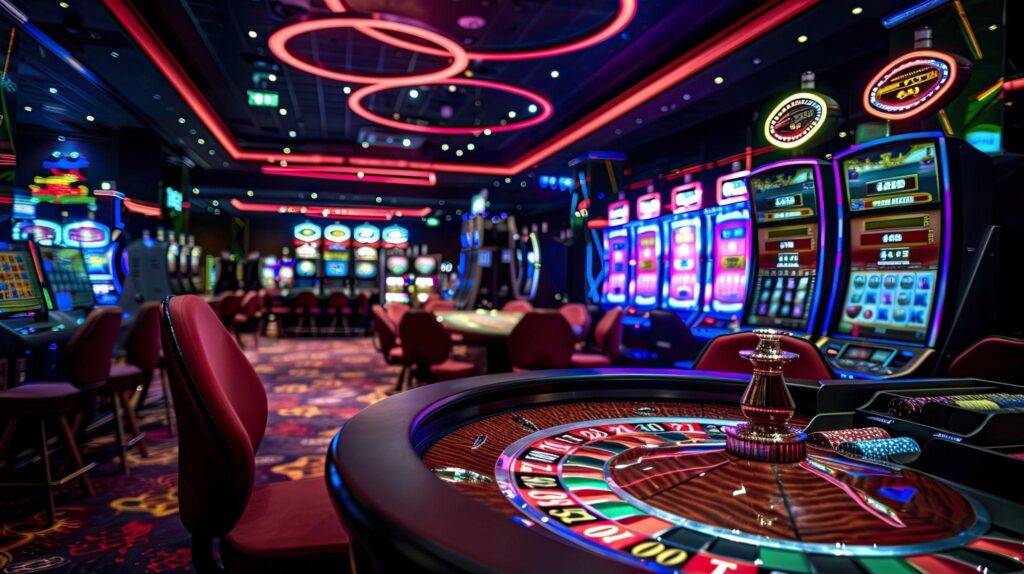
How many people, in and around the online gambling industry, consider this phenomenon as inexhaustibly prone to growing? How much is it an artificial sense of projecting upside, and what exactly has led to such a worldwide phenomenon that has so much sway?
Naturally, we can track this rise in numerous ways. Some are legislative, others are marketing and expansion strategies, but there’s also a clear sense of progress that has come from the general interest in the premise of gambling.
Now that we’ve dropped the key to this article’s subject, it’s time to proceed with its presentation: the core strength of streaming in bringing an even larger audience and clientele to the iGaming sector. From showcasing its fun parts to developing co-beneficial sentiment, there’s a simple idea that rules the field: influence brings in more consumption.
This is about the way this dissemination of gambling activities reaches the audience, and why certain steps have led to the current level that we see today. As BetOnValue finds via its own internal data, bookmakers are still vertically rising, and streaming content is a significant reason why.
The pre-existing content creation boom was the stage
We need to talk about the striking monetization of a creator, peer-to-peer, natural community builder. That, of course, is the rise of the online content creator, whose profile rose from the new ability to bring a new format to the phenomenon of blogging.
From words on a site, now we have the video format, where daily lives, video games, and every single other interest could garner like-minded people all around. As it became more palatable to turn this into something like a job, the launch of AdSense on YouTube turned everything into a cash-making machine.
This was one of the points when everybody realized that, not only was content creation far from a fad, but it’s an entire industry with a whole lot of potential. Everybody wanted a piece, and every industry jumped at the opportunity to find a scion in the content world, be it via YouTube or outright live streaming.
As the market opened up and the money started flowing in, commandeering communities and turning them into consumers, everybody wanted a piece.
Gambling required new avenues for relatively organic growth
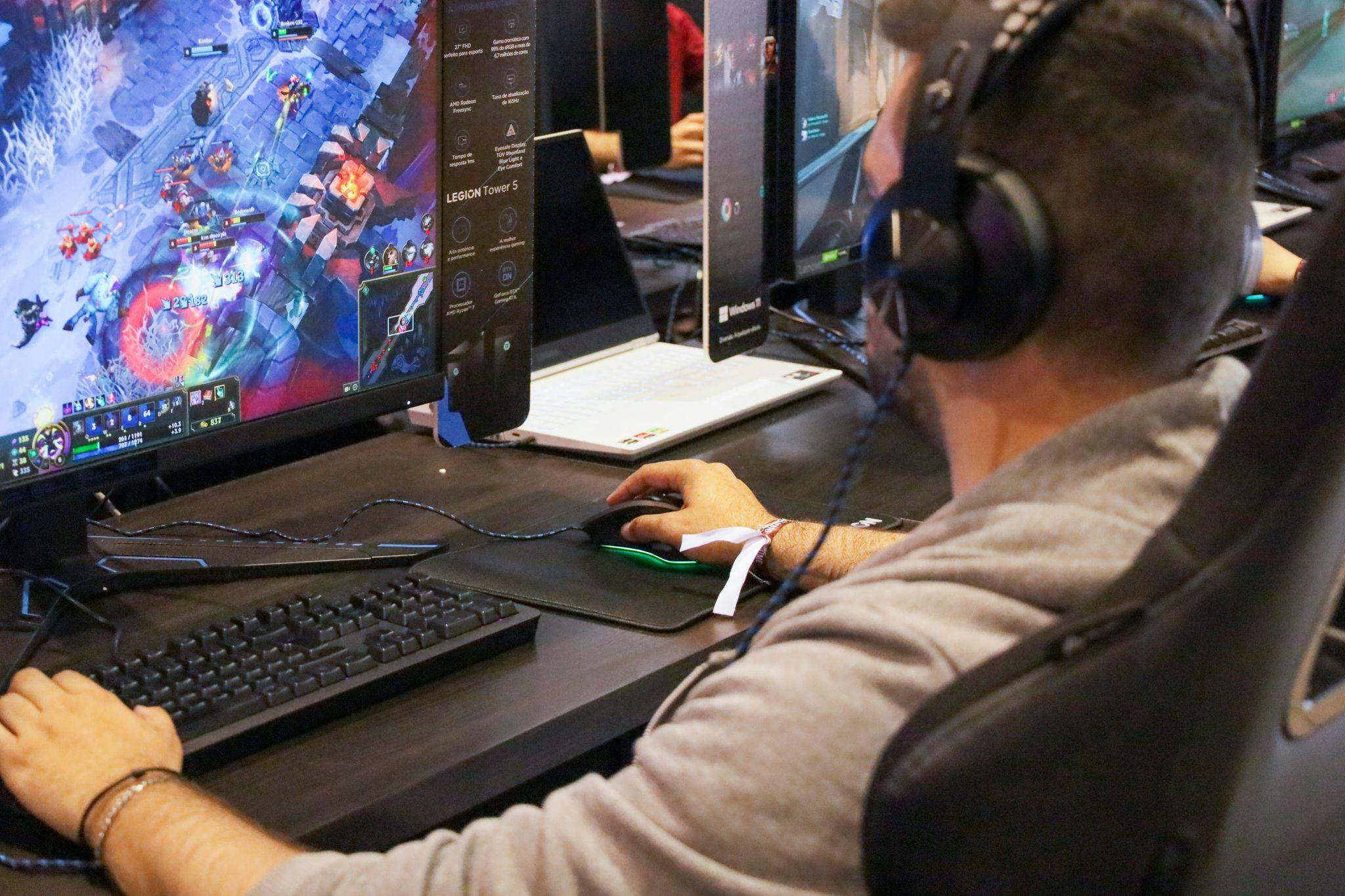
There are numerous ways to market gambling, even if there are many more restrictions than other, less mature parts of the entertainment conglomerate. From targeting influencers that don’t post content in the traditional sense to offering promotions to creating all kinds of internet ads, there has always been a way.
Now, for organic growth to come, you generally need interest from people who see the product/service as something they’d like to try because of that certain product, not just because someone recommended it.
Instead, the interest must be in the activity itself. It should be in the advantages, viability, and the overall satisfaction that it provides. As the phenomenon grows, there’s an increasing level of interest that propagates naturally, and that’s where organicity gathers.
The interesting part about streaming and content creation? There is a very blurred line. Once the community starts forming and gravitating toward the creator, any enjoyed product (a video game, for example) gains a following by association, not by direct recommendation.
Twitch banning gambling content was the turning point
There were multiple controversies that gathered quite powerfully around streaming in general. They mostly came from the fact that these content creators were exploiting niches that were dubious at best, but also that there were several instances when mature, perhaps monetizable aspects were specifically targeting underage people.
Yes, this phenomenon is still happening, despite several movements that have led to certain measures by the streaming providers. The sanitation of these platforms has been a really interesting development that, in a way, culminated specifically because of gambling.
In an October 2022 statement by Twitch, the streaming provider basically announced a heavy set of restrictions on casino gambling content due to the misalignment with various guidelines.
The biggest issue that arose was basically the fact that any gambling content, regardless of its style or stake, could be very easily accessible to minors, despite age verification attempts. How earnest these measures are is up for debate.
However, what we can say almost for certain is the fact that the backlash against the dangers of easily accessible betting content, combined with rising alarm bells around compulsive gambling in society at large, led to this move.
Kick, launched by a casino, retraced the upside
As it happens, the sector that was already raking in a whole lot of cash from streaming monetization needed another home. This is where we reach the part where the nature of this phenomenon starts to feel much more manufactured.
Stake, one of the most controversial, albeit successful, giants in the online gambling world, mastered the concept of the gray area. Its standard betting platform harnessed crypto, associated itself with major personalities like Drake, used the sweepstakes model to enter markets where it shouldn’t, and also made full use of offshore licensing methodologies.
The result? Almost untraceable growth, but a meteoric level at that. This is where new avenues started to pop up. The route that it chose going forward was to create its own community space and provide a gathering space for creators who needed one.
Enter Kick, a platform rivaling Twitch and that also had a naming rights deal with Sauber F1. Its ideation was simple: create a general streaming platform, bring down the casino guardrails, and create a much less sanitized environment for the sake of the expression of freedom.
Naturally, it probably sounds a bit interesting when you think about it. Why and how exactly would a betting company launch an entire streaming service if not to give gambling a good runway to promote itself?
This is how the Kick model started to bring in content creators just as efficiently as it did with the swaths of watchers that they have.
Monetization protocols for streamers
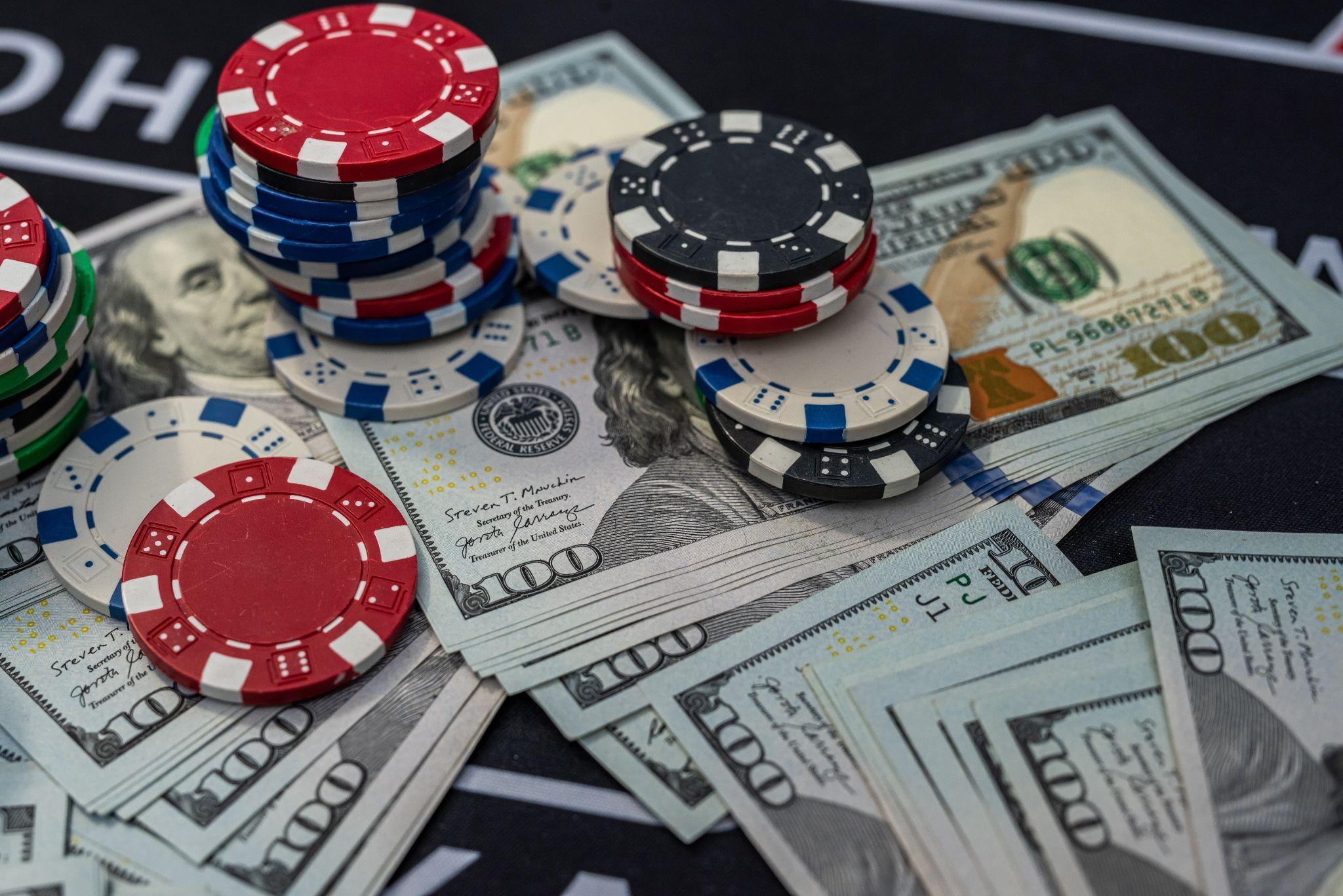
By all accounts, Kick is a very fair platform for its creators. The open model basically says that the money from a Kick subscription is split 95/5. The creator keeps $95 out of a $100 subscription, which is 95%. That’s beyond fair, especially when you consider that Twitch keeps 50% espect for the Plus Program that has a 70/30 split.
The truth is that the point of this discussion is, in fact, that there are more incentivization methodologies between streamers and Kick itself.
The Creator Incentive Program provided by Kick changes the economics of this phenomenon by providing a safety net, almost akin to an hourly wager. Even this comparison is beyond flawed since the algorithm that calculates the per-stream value is quite volatile.
So, what kind of monetization would big gambling creators benefit from? Well, at first, there’s the fact that they’re some of the most popular names on the platform.
Secondly, we need to remember that much revenue comes from the affiliation side, in which casino brands and platforms beyond Stake itself can associate themselves with these creators. The use of affiliate links for promotional referrals is a popular method that is concurrent with almost any other style of influencer marketing.
We can clearly see how big names can attract a lot of attention on Kick. Stream Hatchet’s January 2026 report tells us that Trainwreckstv garnered over 15 million hours of watch-time, while Classybeef (13.9M) and Roshtein (12.6M) are in a similar space.
Such success clearly tells us that, regardless of monetization protocol, the money keeps flowing since there are so many watchers already.
Conclusion
One can have very significant and, might we say, highly justifiable doubts about the sustainability of this relationship between mass audiences, gambling, and content creation.
At the same time, it has become almost impossible to imagine the internet without betting, which is a statement with its own baggage. The most important part is how one would consume something like this. This reality warrants a simple message: if you’re gambling, either influenced by streamers or not, please do so responsibly!