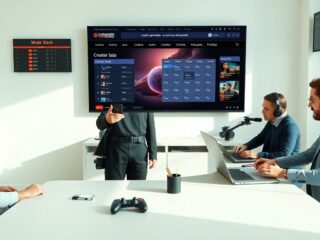
The LEC enters 2026 in a stronger competitive shape than it has been in for several years. After a stretch of format experiments, broadcast changes, and roster volatility, the European league has settled into a rhythm that rewards close watching. For fans who fell off during the messy years, this is a good time to come back.
Here is what makes following the LEC in 2026 different from following it in 2023, and how to get the most out of the season.
Format and calendar
The LEC continues to run on a winter, spring, summer split structure with playoffs feeding into international events. The Mid-Season Invitational and Worlds remain the two pillars of the international calendar that LEC teams aim toward. Each split has its own playoffs and a season finals that determines the international representatives.
The official lolesports.com portal carries the full schedule, brackets, and broadcast links. Match times are usually European afternoons and evenings, which is convenient for European audiences and challenging for everyone else.
Beyond the official schedule, EsportNow’s LoL match coverage carries match summaries, key moments, and the season-long context that ties individual games together. Reading that coverage alongside live viewing is one of the better ways to develop a real eye for the league, especially during the long stretches where every week’s matches need to be read inside the broader split narrative.
Teams and storylines coming in
The 2026 LEC roster slate has more continuity than 2024 or 2025. Several teams kept their cores together for the offseason, which usually translates into better mid-season form. The teams that did make changes mostly upgraded a single position rather than rebuilding entirely.
G2 Esports remains the storyline anchor. Their dominance over the past several years made them the default favorite, and any year where another team challenges them seriously becomes a major narrative. Fnatic continues their long-running rivalry, with rosters that have shifted but a fanbase that stays loyal across changes.
Mid-table teams are where the more interesting development usually happens. The teams that finish 4th to 7th typically include a few that surprise on the upside and a few that disappoint. Watching the early-split form of these teams is often more rewarding than tracking the established top of the table.
How to actually watch
LEC broadcasts have some of the highest production quality in esports. The studio setup, analyst desk, and casting team have been refined over years and the current iteration is genuinely strong. New viewers who tune in for the first time are often surprised at how polished the experience is compared to other regional leagues.
For those who want to deepen their understanding beyond the broadcast, Mobalytics provides match analytics and player performance breakdowns that go further than what casters can cover live. Reading a Mobalytics breakdown after watching a match is one of the better ways to develop a real eye for the game.
Where the league fits internationally
The LEC has historically been the second or third strongest region globally. Korean and Chinese teams have dominated the international stage for years, with European teams occasionally breaking through. The 2024 to 2026 stretch has narrowed the gap somewhat, although the LCK and LPL still produce the deepest fields.
This international context matters for LEC viewers because the regular season is partly a path to MSI and Worlds. A team that dominates the LEC but flames out internationally tells a different story than one that finishes 3rd in Europe but performs at the international stage. Both kinds of stories happen every year, and following them is part of what makes a multi-year LEC viewing habit rewarding.
Fan habits that pay off
Following the LEC seriously is a several-hour-per-week commitment if you watch live. Most fans cannot do that. The realistic alternative is watching VODs of the most important matches, scanning post-match highlights for the rest, and reading recaps to fill in context. This works better than trying to watch everything live and burning out three weeks into the split.
Picking one or two teams to follow closely also helps. League is a sport where rooting interest amplifies the experience considerably. Watching a team you do not care about play other teams you do not care about gets boring fast. Watching your team navigate a season has built-in stakes that pull you back week after week.
Why 2026 is worth the time
The LEC has had years where the storylines felt forced and years where they felt urgent. 2026 is leaning toward the urgent end. The competitive balance is healthier than it has been in a while, the production quality is high, and the path to international events offers real stakes. Whether you are a returning fan or a newcomer, this season has more genuine narrative pull than most.