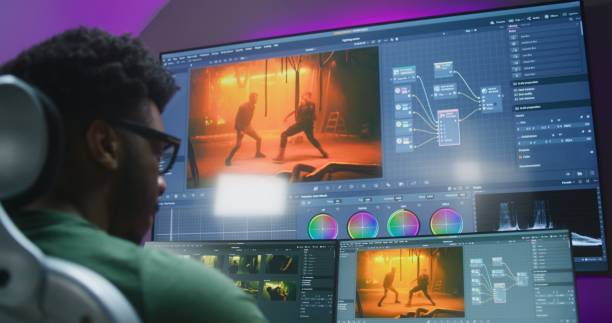
Creating content around video games used to be limited to simple records, walkthroughs, reviews, and live streams. But now content makers can create creative cut-scenes, make characters, add dramatized camera shots, and make short stories based on games.
Making that shift to some extent, however, is the rise of AI video generation-in which creators can bring static ideas and source material, including images and text, to life as a video with inspiration drawn from cinematic techniques.
Gaming footage and the overall gaming experience are turning into something of a cinema experience of its own right, and creative vision is more within reach for the individual content creator than ever.
Gaming Videos Are Becoming More Story-Focused
Many gamers today demand that gaming videos do more than just play what occurred during the recorded session. In order for a game to be entertaining, the viewers often seek recognizable characters, coherent themes, and scenes with any sort of emotional motivation.
Short Videos Can Still Tell Complete Stories
Your cinematic gaming video doesn’t have to run multiple minutes. A well-executed short can set up the scene, build some suspense, and resolve in satisfying finality.
For instance, the audience watches one character enter an abandoned arena, sees the traces of an upcoming fight, then gets ready for battle. Every frame has a purpose. There’s camera placement, lighting, character movement, and sound that communicate the info without needing a lengthy description.
This will allow game producers to take a more cinematic approach. Rather than simply ordering unrelated cuts and shots, producers will be able to decide what the audience needs to learn and experience at any given moment.
Characters Create Continuity Between Scenes
The use of familiar people connects otherwise discrete shots with each other. We learn about them from what they wear, look like, do, and where they are.
Reference images make it easy for creators to include these details in an entire sequence of content. A character can appear in many places or while doing many things but still have the same look.
This may benefit character introductions, fictive trailers, announcements about esports teams, or any user-generated stories.
AI Is Changing the Early Creative Process
AI video tools help in the stage after an idea is conceived before final production. The creator is given a way to see how an idea would be made before animating heavily or editing extensively.
Written Prompts Can Act Like Production Briefs
A useful prompt describes more than the main subject. It can explain the setting, action, lighting, mood, camera movement, pace, and intended format.
Instead of requesting a “futuristic gaming scene,” a creator could describe a player walking through a neon arena as the camera follows from behind, then moves upward to reveal the full stadium. This level of detail gives the generated sequence a clearer purpose.
Creators exploring this process can use the Seedance 2.5 AI video creation tool to develop clips from text, images, and supporting reference material. Within a larger creative workflow, it can help translate an early gaming concept into footage that can be reviewed, adjusted, and combined with other media.
Camera Direction Shapes the Viewer’s Response
Camera language has a direct influence on how a scene feels. A close-up can highlight a character’s concentration, while a wide shot can reveal the scale of an arena or digital city. Slow movement can build anticipation, while quicker cuts can create urgency.
Including camera instructions in a prompt encourages creators to consider how each shot supports the story. This connection between technical direction and emotional purpose is one of the clearest ways AI video brings gaming content closer to cinema.
Practical Uses for Gaming Creators
AI-generated video can support several types of gaming content. The most effective format depends on the creator’s message, platform, and intended audience.
Content Formats That Can Benefit
Creators and independent development teams can apply AI video technology to:
These formats can communicate the tone of an idea before every asset has been completed. An independent studio, for instance, could create a visual concept showing how a location might feel in motion. The team could then use that clip to discuss colour, pacing, architecture, and camera direction.
AI Footage Can Work Alongside Gameplay
Generated video does not have to replace recorded gameplay. The two formats can work together within the same production.
A creator could open with a cinematic character scene, move into gameplay footage, and finish with a short narrative sequence. Voice-over, titles, music, ambient audio, and sound effects can connect the different elements. Editing then controls the timing and ensures that every clip supports the main subject.
Human Creative Direction Remains Central
AI can generate motion and interpret instructions, but the creator still decides what the video should communicate. Strong results begin with a clear concept and continue through careful review.
A Focused Workflow Produces Clearer Content
A practical process may include:
This approach keeps technology connected to a specific creative goal. It also gives creators opportunities to refine their ideas at each stage rather than treating the first output as the finished video.
Conclusion
AI for game movie creation bridges the gap between gamers and big screens. It offers a fresh perspective on how designers storyboard levels, animate characters, plan the camera action, and visualize games through narrative sequences.
The most useful starting point is a simple concept with one character, one setting, and one clear action. From there, creators can test different shots, review the results, and assemble the strongest material into a focused video. When creative direction leads the process, AI becomes a practical part of producing gaming content that feels cinematic, purposeful, and memorable.