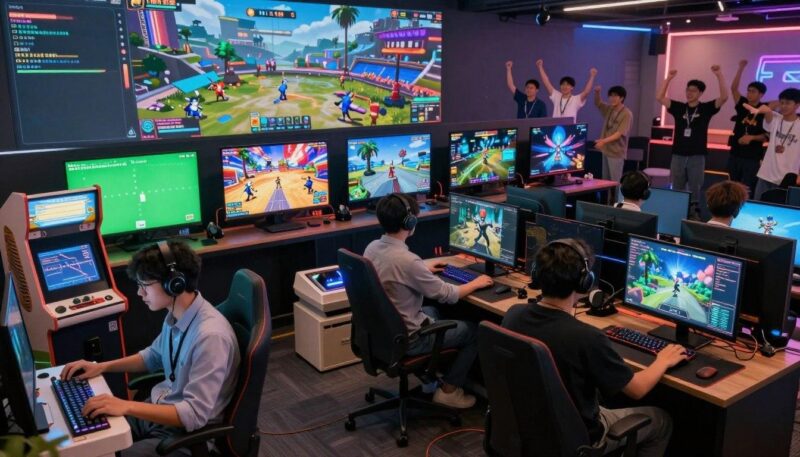
As crypto gaming gains traction across the UK, more players are diving into blockchain-based titles that mix decentralised tech with real-time gameplay. Recent reports show this isn’t just a fringe movement.
A report from Blockonomi notes that the global crypto gambling market has grown from about US$50 million in 2019 to US$250 million in 2024, a CAGR of roughly 38%. While this refers specifically to gambling, it highlights the pace of adoption across blockchain-based entertainment. Europe represents a significant share of the global blockchain gaming market, with billions in revenue reported across leading hubs such as Germany, France, and the UK.
Whether you’re swapping tokens, trading NFTs, or joining a virtual poker table, one thing’s for sure: your PC needs to keep up. But what kind of hardware is actually required? The good news is that you don’t need a space-age gaming rig. The bad news? Some minimums are still non-negotiable.
Start With the Basics, like CPU, GPU, and RAM
Crypto games vary widely, from fast-paced shooters built on blockchain networks to turn-based strategy games with built-in crypto rewards. The tech behind them, however, often overlaps with traditional online gaming.
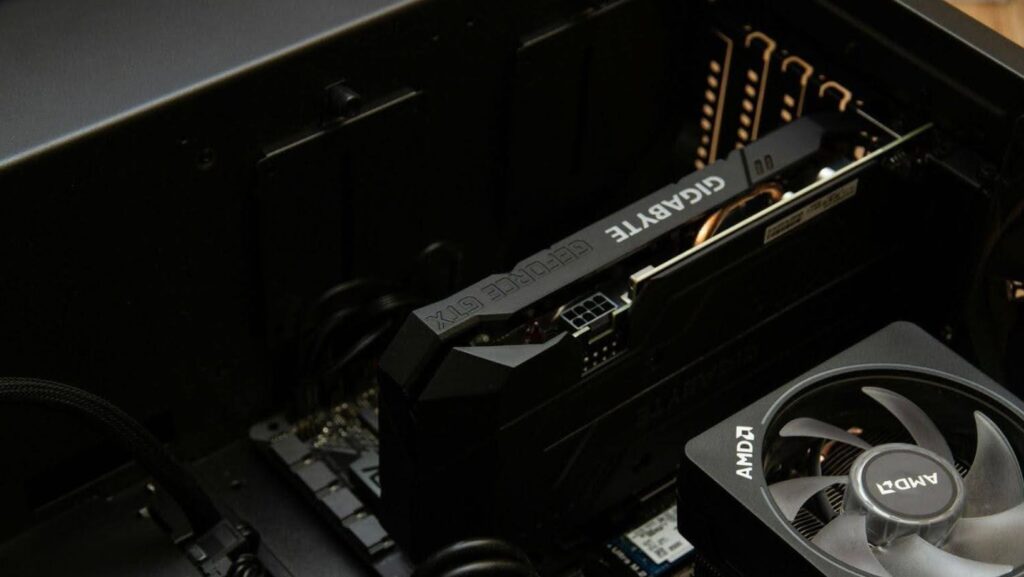
A reliable setup starts with a quad-core processor, something like an Intel i5 (10th gen or newer) or AMD Ryzen 5. These will handle both gaming and the occasional blockchain sync without stuttering. For the GPU, aim for at least an NVIDIA GTX 1660 or AMD Radeon RX 580. These mid-range cards can handle most crypto-integrated games without cooking your system.
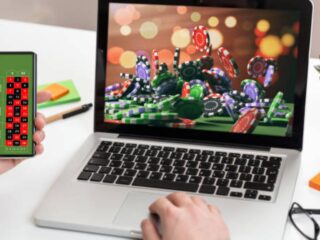
Many of the most engaging crypto games feature casino-style mechanics. If that’s your style, you’ll want smooth performance to keep the experience seamless. A well-rounded rig also gives you access to the most crypto casinos, where games are becoming graphically rich, often rivaling traditional PC games, not to mention the perks of fast crypto payments and a wide, ever-growing library of titles tailored for digital currency users.
What about RAM? Go for 16GB DDR4 if you’re running multiple apps, especially wallets, browser tabs, and a game simultaneously. Some blockchain titles are browser-based but still memory-intensive.
Don’t Overlook Storage and Internet Speed
While crypto games don’t typically require terabytes of space, you’ll still want a solid-state drive (SSD), preferably NVMe. Not just for faster game loading, but also for quicker blockchain syncs, especially if you’re using decentralised wallets or storing game-related NFTs.
A fast, stable internet connection is essential. Games that rely on smart contracts or token-based economies need low latency to perform well. A wired Ethernet connection still beats Wi-Fi in terms of reliability.
Power Supply and Cooling
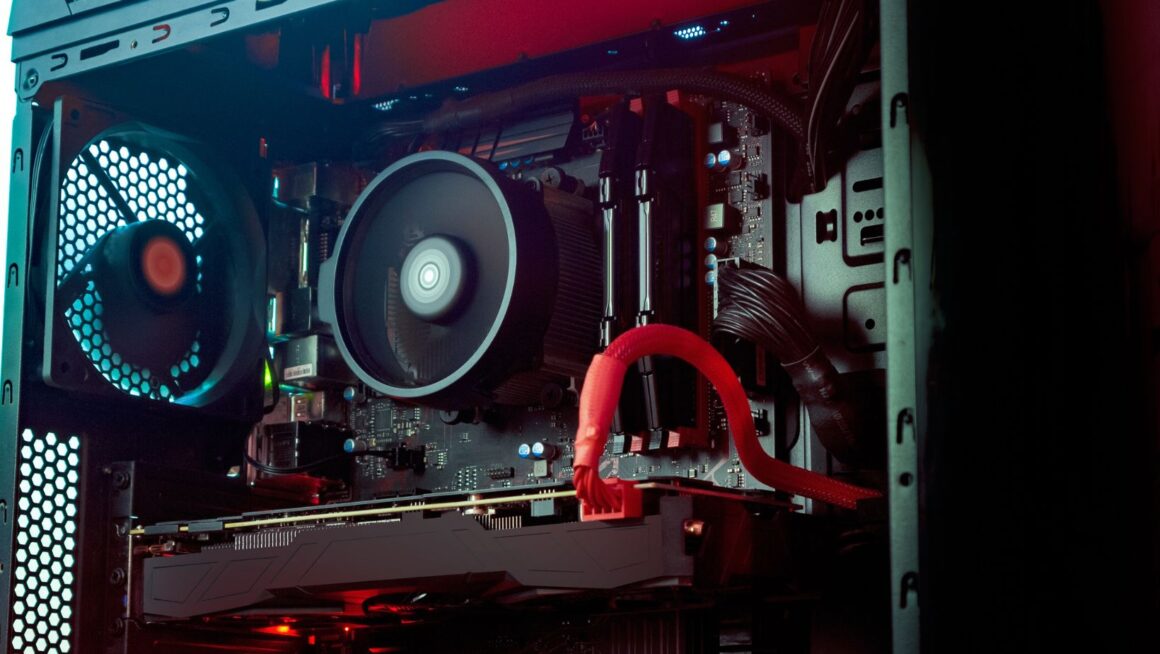
Some blockchain-based games run continuously or sync with external networks even when idle. That puts a sustained load on your GPU and CPU. Make sure you’ve got a decent power supply unit (PSU), look for an 80 Plus Bronze or better certification, and good airflow in your case.
Dual Monitors and Hot Wallets
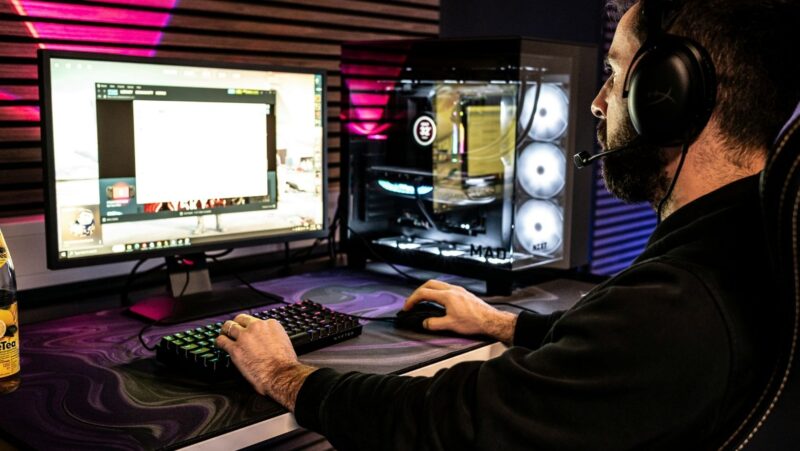
Running a dual-monitor setup might seem like a luxury, but for crypto gamers, it’s incredibly useful. One screen can run the game, while the other handles wallet interfaces, Discord communities, or marketplaces.
Also, having a dedicated hot wallet (a crypto wallet connected to the internet) like MetaMask can streamline transactions without risking your primary assets. Just don’t keep large sums in one place.
OS Updates, Wallet Security, and Software Compatibility
Many newer blockchain games run within browsers or require dedicated launchers. This makes your operating system more important than ever. Always keep Windows 10 or 11 updated to avoid compatibility issues, and double-check whether your games or wallet extensions prefer Chromium-based browsers like Chrome or Brave.
Keep in mind, antivirus settings can sometimes interfere with crypto-related apps. Make exceptions carefully and avoid disabling protection entirely. Likewise, hardware wallets like Ledger or Trezor offer safer storage if you’re interacting with games that offer real crypto assets.
Streaming, Recording, and Sharing: The Modern Crypto Gamer’s Toolkit
If you’re planning to stream your gameplay or upload walkthroughs to YouTube or Twitch, you’ll want to factor in a few extras. Encoding video while gaming can be taxing, so a 6-core or better processor like the AMD Ryzen 7 or Intel i7 range is worth considering. Look for GPUs that support NVENC or AMD’s VCE encoding tech; these make recording and streaming far smoother.
A secondary SSD dedicated to video capture can help avoid stutters or lost frames, and a USB condenser mic can raise your content quality without breaking the bank. Crypto gaming isn’t just about playing anymore; it’s about building communities around new types of gameplay.
Worthwhile Peripherals
While not totally essential, but still worth mentioning: a mechanical keyboard can improve input accuracy and comfort, especially in games that involve rapid commands or interactions. Likewise, a low-latency gaming mouse can be the difference between success and failure in fast-paced crypto environments.
Headsets matter too, especially for multiplayer crypto games with in-game comms or community events. Look for one with decent drivers and a built-in mic with noise cancellation.
Building or Buying? It Depends on Your Comfort Zone
If you’re comfortable assembling parts, building your own rig still offers the best value. But pre-built PCs have come a long way; some even offer configurations optimised for crypto play and multitasking. Just make sure you’re not paying a premium for unnecessary features. Focus on the essentials: CPU power, GPU capability, enough RAM, fast storage, and cooling. Everything else is a bonus.
Conclusion
Whether you’re drawn to strategy-based blockchain games or sleek casino-inspired platforms, making sure your PC can handle the load will keep things running smoothly.
You don’t need the latest gear, but you do need smart specs. That balance between affordability and power is what makes the crypto gaming scene so accessible and exciting. If current projections hold, this accessibility is well on its way to expanding. According to KBV Research, the European blockchain gaming market is expected to grow at a CAGR of around 67.4% through 2028.
Meanwhile, the Financial Times reports that crypto casinos alone generated US$81.4 billion in global gross gaming revenue in 2024, as users found ways around local restrictions to access decentralised platforms. Crypto gaming is becoming not just more popular, but more mainstream. So if anyone wants to be a part of it, they really just have to make sure their PC is ready for it.