Few Esports titles have demonstrated the staying power and competitive depth of Tom Clancy’s Rainbow Six Siege. Since its launch in 2015, this tactical shooter game has evolved from a promising but flawed release into one of the most respected competitive gaming titles in the world. The tournament ecosystem surrounding Siege has grown to match this, offering players pathways from amateur competitions to world championship stages where millions watch and substantial prize pools are awarded.
Understanding the current state of Rainbow Six Siege competitive play requires exploring the tournament structure, examining the teams and players who dominate and appreciating why this particular game has captured the imagination of competitive gaming enthusiasts worldwide.
The Evolution of Rainbow Six Siege Esports
Rainbow Six Siege didn’t arrive as a fully-formed Esport. The game’s early days were full of technical issues, balance problems and a relatively small player base. However, Ubisoft demonstrated commitment to developing both the game and its competitive scene, investing consistently in improvements and the tournament infrastructure.
This long-term approach paid off. Where other titles have risen quickly and faded just as fast, Siege built a foundation that has sustained competitive play for nearly a decade. The tactical depth of the game, with its destructible environments, operator abilities and emphasis on coordination, had created a natural appeal for competitive players looking for more than simple aim duels. Additionally, the Esports structure grew alongside the game itself. Early tournaments were relatively modest affairs, but as the player base grew and the competitive community matured, Ubisoft developed increasingly sophisticated league systems and championship events.
Understanding the Tournament Structure
Rainbow Six Siege’s competitive play operates through a tiered system that provides opportunities at multiple levels while creating clear pathways to the highest stages of competition.
Regional Leagues
The foundation of professional Siege competition consists of regional leagues that operate across major gaming markets. These leagues provide consistent competition throughout the year, allowing teams to develop, fans to follow storylines and players to earn salaries while competing for advancement to international events.
The major regions include Europe, North America, Latin America and Asia-Pacific, each with distinct competitive cultures and playstyles. European teams have historically emphasised tactical discipline and coordinated execution. North American squads often display more aggressive, aim-heavy approaches. Latin American teams, particularly those from Brazil, have developed reputations for creative strategies and passionate fan support. The Asia-Pacific region has grown substantially, with teams from countries like Japan, South Korea and Australia contributing to the global competitive landscape.
Importantly, the regional league performance determines qualification for major international events, creating stakes that extend beyond any immediate prize money. Teams fight, not just for league standings, but for opportunities to compete on the global stage.
Major Championships
Lile other Esports, the pinnacle of Rainbow Six Siege competition comes through major international championships that bring together the best teams from each region. These events represent the ultimate test of competitive Siege, where months of preparation result in high-pressure matches watched by global audiences.
The Six Invitational stands as the most prestigious event on the Siege calendar. It is held annually, typically in Montreal, Canada. This tournament crowns the world champion and carries the largest prize pool in the competitive world. Teams qualify through regional performance and qualification pathways, ensuring that the field represents the best of the best.
Six Major events occur throughout the year, providing additional international competition between the Invitational cycles. These tournaments also offer substantial prize money and critical circuit points that factor into Invitational qualification, which helps maintain the competitive intensity throughout the calendar.
Open and Amateur Competition
Beyond professional leagues, Rainbow Six Siege maintains a solid amateur and semi-professional competition through open tournaments, national leagues and grassroots events. These competitions serve multiple purposes. First, they provide entertainment and competitive outlets for aspiring players. Second, they function as scouting grounds where professional organizations identify emerging talent. And third, they maintain the broader health of the competitive ecosystem by keeping players engaged at all skill levels.
The pathway from amateur to professional remains a truly viable option, with players regularly emerging from lower-tier competition to join professional rosters. This keeps the scene fresh and provides motivation for aspiring competitors.
The Current Competitive Landscape
As with any living esport, the competitive landscape of Rainbow Six Siege changes constantly. Teams rise and fall, players transfer between rosters and the meta-game evolves with each operator release and balance update. However, certain patterns and dominant forces have emerged in recent competitive cycles. Let’s take a look at some of them here.
Team Dynamics and Dominance
The history of Siege Esports game has seen various eras of dominance. Early years featured different champions than recent competition, as the tactical demands of the game have evolved and different organisations have invested varying resources into their rosters.
For example, Brazilian teams have established themselves as consistent forces in international competition. Organisations from the region have created passionate fan bases and developed distinctive playing styles that translate into success at major events. The Brazilian competitive culture emphasises creativity and adaptability, producing teams capable of surprising opponents with unexpected strategies.
Conversely, European teams continue to demonstrate the tactical sophistication that has characterised the region since competitive Siege began. The depth of European competition with its multiple strong leagues and numerous organisations investing in rosters, has created an environment where teams must constantly improve simply to maintain regional standing.
Finally, the North American competition has experienced various phases, with different organisations cycling through periods of dominance and rebuilding. The region produces exceptional individual talent, though translating that talent into consistent international success has proven challenging at times.
Right now though, it’s Team Falcons on top. Effective across a range of Esports, this team dominates on other areas such as DOTA2 as well as RS6. Falcons topped the SI points standings in 2025, putting them on top over the likes of FURIA, G2 Esports, Elevate and Team Secret.
What Makes a Championship Team
Analysing teams that achieve championship success has revealed consistent patterns. Individual skill matters, as, obviously, teams cannot compete at the highest level without players capable of winning essential aim duels and performing demanding plays. However, Siege rewards coordination and strategy more heavily than many tactical shooters, meaning that raw talent alone rarely produces championships.
With this in mind, communication is the most critical team attribute. Siege’s destructible environments and complex operator interactions create information-rich situations that teams must process and respond to collectively. Teams that communicate efficiently, i.e. by sharing information, coordinating utility usage and adapting mid-round to developing situations, consistently outperform those relying primarily on individual plays.
Role balance also distinguishes championship rosters. Teams need players who can entry frag, creating opening picks that advantage subsequent plays. They need support players who enable teammates through drone work, utility deployment and information gathering. They also need flex players who can adapt their operator selections and playstyles to specific strategies and opponent tendencies. Building rosters that cover all necessary roles while maintaining positive team chemistry represents one of the greatest challenges facing teams.
Legendary Players and Individual Excellence
While Siege rewards team play above individual heroics, exceptional players still distinguish themselves through consistent excellence. The debate over who is the best siege player of all time generates passionate discussion among fans and analysts, with various candidates representing different eras, regions and playstyles.
Defining Individual Greatness
Evaluating individual players in a team-based tactical shooter presents challenges. For instance, statistical measures capture certain dimensions of performance but miss others. A support player who consistently enables teammates’ success might post modest individual numbers while contributing enormously to team results. Conversely, a player with impressive statistics might be padding numbers in situations that don’t translate to winning.
The most respected individual players typically combine multiple forms of excellence. They post strong statistical performances while playing roles that demand more than simply seeking kills. As such, they perform consistently across different opponents, maps and tournament stages. In doing so, they elevate their teammates through leadership, communication or simply the attention they demand from opponents.
Longevity also factors into assessments of individual greatness. Siege has evolved dramatically since its competitive inception, with the meta-game moving through various phases that rewarded different skills and approaches. Players who have maintained excellence across multiple eras demonstrate adaptability that distinguishes them from those who excelled in narrower contexts.
The Meta-Game and Strategic Evolution
Understanding competitive Siege requires appreciating how the strategic meta-game has evolved and continues to change. As mentioned, unlike games with relatively static strategic landscapes, Siege constantly shifts through operator releases, balance adjustments and tactical innovations that teams develop and opponents eventually counter.
Operator Balance and Strategy
Ubisoft releases new operators regularly, each introducing abilities that interact with existing operators and maps in complex ways. Some releases shake-up the meta-game dramatically, invalidating previously dominant strategies and opening new possibilities. Others slot into existing frameworks without fundamentally altering the competitive approaches.
Consequently, professional teams must continuously adapt to these changes if they want to stay on top. Because of this, organisations employ analysts who study new operators, theorise about their competitive implications and develop strategies to help the team stay ahead. The teams that adapt most effectively to meta-shifts often gain advantages that persist until opponents catch up.
Map Pool Dynamics
The competitive map pool represents another dimension of strategic evolution. Different maps reward different playstyles and operator selections, which means that teams must develop competence across diverse tactical environments. Map pool changes also help to force continuous strategic development. This is often noticeable or useful to consider as teams often develop particular strengths on specific maps, leading to complex mind games during the ban phase when opposing teams eliminate certain maps from consideration. Understanding opponent map preferences and exploiting weaknesses in their map pools represents a crucial element of tournament preparation.
The Spectator Experience
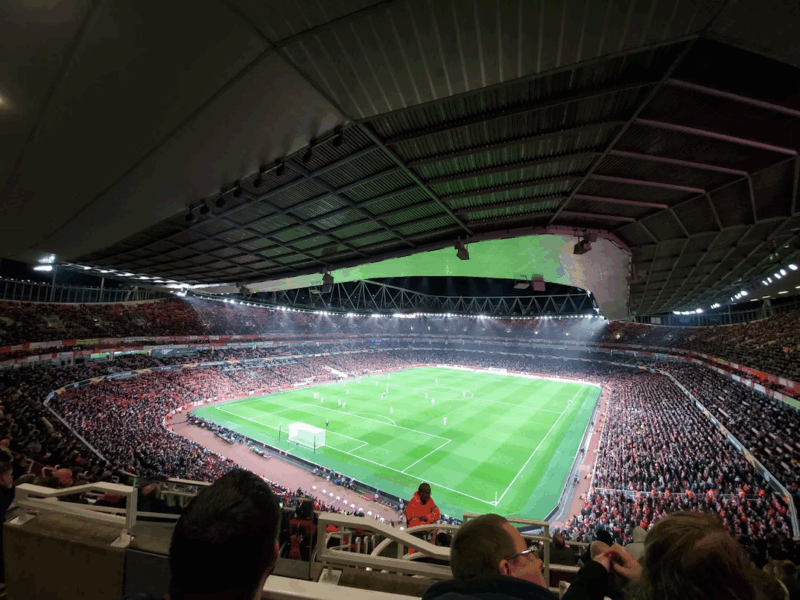
Rainbow Six Siege has invested significantly in making competitive play accessible and exciting for spectators. The viewing experience has evolved considerably from early tournaments, with broadcast production now rivalling traditional sports.
Major Siege events feature professional broadcasting with multiple commentators providing play-by-play and analysis. Between-match content includes analyst desks where experts break down strategies, interview players and coaches and discuss storylines developing throughout events. This content creates narratives that help casual viewers engage with competition beyond simply watching gameplay.
The Future of Siege Esports
As with most sports, Rainbow Six Siege Esports faces both opportunities and challenges as it continues to grow and change. First up, Ubisoft has shown consistent commitment to developing both the game and its competitive ecosystem. New content releases maintain player interest while balance adjustments address competitive concerns. The company has also invested in league infrastructure, event production and partnerships that sustain professional competition.
The question facing Siege esports concerns whether this commitment will continue and whether it will prove sufficient to maintain position against competing games such as CS:GO, DOTA2, Call of Duty and League of Legends, all of which still remain the top Esports options.
As with any long-running Esports, Siege faces questions about competitive sustainability across player generations. The players who dominated early competition have aged, with some retiring and others adapting their roles. New generations of players bring different skills, expectations and approaches. Importantly, the health of amateur and semi-professional competition largely determines whether new talent continues emerging. So far, Siege has maintained these lower tiers effectively, but this continued attention to player development pathways remains essential.
Conclusion: A Unique Competitive Experience
Rainbow Six Siege occupies a distinctive position in the esports landscape. Its tactical depth creates a competition that rewards intelligence and coordination alongside simple mechanical skill. Its destructible environments and operator diversity mean that no two rounds play in the same way, which helps to maintain interest for both players and spectators across countless matches.
Furthermore, the tournament ecosystem has matured to support professional competition at the highest levels while maintaining accessibility for aspiring players. Championship events draw substantial audiences and offer meaningful prizes while regional leagues continue to provide consistent competition that simultaneously sustains professional careers and develops future talent.
For fans of tactical shooters and competitive gaming more broadly, Rainbow Six Siege offers something genuinely distinctive. The game rewards qualities such as patience, communication, creativity and adaptation, qualities that other shooters often neglect. All of this combines to make RS6 a lasting Esport within this game genre.