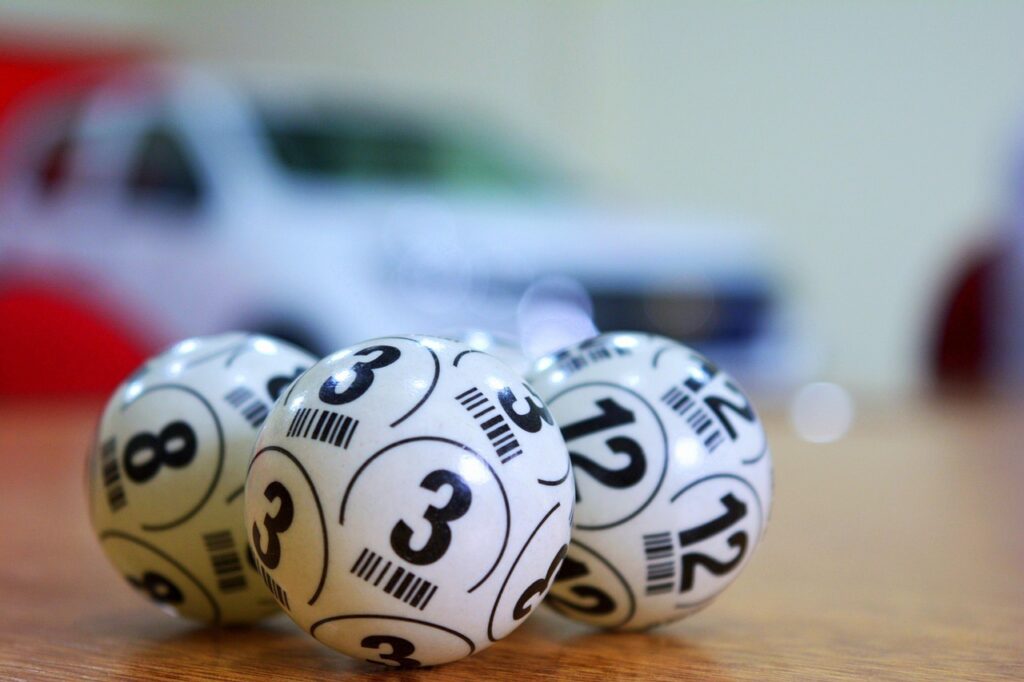
Since its creation, the lottery has remained one of the most popular and entertaining games played nationwide across generations. Despite the rise of digital gaming and sports betting, millions of people still buy lottery tickets every week, as they’re captivated by the idea of winning the jackpot and having their lives changed overnight. The popularity of the lottery goes further than the desire for money. The lottery has ties to psychology and the dream shared by the entire world of wanting a better future. Understanding why people love playing the lottery offers an interesting glimpse into optimism and the joy of possibility.
The Dream of Life-Changing Money
At its core, the lottery appeals to the imagination. Every time someone purchases a ticket, this represents the possibility of a new life. The idea that one small purchase could erase financial issues and open doors to freedom and experiences you could only dream of is what draws players in. For many, the dreaming begins the moment the ticket is bought. People imagine what they would do with their winnings, whether it is buying a new home, travelling the world, or helping loved ones.
Even if the odds are incredibly slim, the prospect of winning can give people a sense of hope and control in an unpredictable world. Once the draw begins, the thought of losing seems to disappear, and it is replaced by the idea of life-changing fortune.
The Pull of Hope
Psychologists have long studied the reasons people are drawn to the lottery. One key factor is the power of hope. Humans are naturally inclined to focus on positive possibilities, even in situations with low probabilities. The lottery brings out this positive mindset, allowing people to enjoy the dream of winning the jackpot, which gives them hope.
Studies show that anticipating something positive can increase happiness. The simple act of buying a ticket symbolises the optimism that draws in millions of players each year. The simple act of buying a ticket symbolises the optimism that draws in millions of players each year, whether they take part in traditional draws or follow options such as BoyleSports 49s. This connection is part of what keeps people returning to the lottery again and again.
The Social and Cultural Connection
The lottery is not just a solo experience. It often helps bring people together, with many players creating group syndicates. Syndicates are common traditions across families and workplaces. These shared moments of entertainment create a sense of unity. Discussing numbers, sharing dreams, and imagining what could be done with the winnings all add to the experience of playing the lottery.
In some cultures, the lottery has even become a social ritual. Weekly draws are events that are held together, creating anticipation and conversation across groups of people.
The Simplicity of The Lottery
Another reason people love the lottery lies in its simplicity. Unlike other games of chance or skill, the lottery does not require expertise or strategy. Anyone can play, as all it takes is access to purchase a ticket, whether this be through a physical ticket or a digital one. This inclusivity gives it universal appeal.
Buying a ticket is quick, easy, and inexpensive. For a small amount, players are instantly within a chance (although unlikely) of winning a big prize. This inclusivity makes the lottery one of the most accessible forms of entertainment in the world, which only adds to its popularity.
The simplicity of the lottery provides a refreshing contrast compared to other complicated aspects of everyday life. There are no intricate rules or systems to master; all the player needs to do is purchase a ticket, and the winner is entirely random, with the odds being the same for everyone.
The Stories of Winners
Another significant reason for the lottery’s sustained popularity is the popularity of success stories. When someone wins the lottery, not only do they win the jackpot, but they also become famous overnight, as media coverage of big winners becomes fuel for public fascination and keeps the lottery popular. Whenever someone wins a life-changing jackpot, it reignites the collective belief that it could happen to anyone.
These stories serve as modern-day fairy tales, showing ordinary people achieving extraordinary fortune. The winners are often relatable figures, teachers, shop workers, or parents, whose lives are suddenly transformed overnight and often too help to transform others from their generosity toward good causes. Their journeys from humble beginnings to luxury inspire others to believe that luck might one day find them too.
The impact of these stories cannot be understated. They provide proof, however rare, that the dream is achievable. For every player, hearing about a winner reinforces the idea that playing the lottery is not just about chance but about being part of something filled with hope and possibility.
The Influence of Modern Technology
In recent years, the rise of digital platforms has made the lottery more accessible than ever. Online tickets, mobile apps, and instant games have brought convenience to players worldwide. No longer limited to physical tickets or local draws, people can now participate in international lotteries with a few taps on a screen.
This digital evolution has expanded the audience and created new ways to engage. Players can check results instantly, receive personalised notifications, and even play through subscription services. The modern lottery experience combines traditional entertainment with the efficiency of technology, keeping it relevant in an age where entertainment is increasingly digital.
Technology has also introduced transparency and security, ensuring fair play and trust. Players feel confident knowing that systems are regulated and winnings are protected.