Wellness has entered a more precise era. Consumers are no longer chasing intensity for its own sake; they are seeking balance, clarity, and control. In this shift, federally legal cannabis products have found a new role – less about escape, more about intention. The brands that succeed here understand that wellness is as much about messaging as it is about formulation.
Mood sits squarely in this space. By pairing compliance-first products with effect-led clarity, the company contributes to a more mature conversation about cannabis – one rooted in trust, transparency, and everyday well-being rather than hype.
As Forbes notes, “Cannabis, used responsibly, can be a tool for relaxation, creativity, and overall well-being rather than excess.” That framing defines the modern cannabis consumer – and it’s the foundation Mood builds on.
Wellness, Defined by Intention
Today’s wellness culture values predictability. Consumers want to know how a product will make them feel before they use it. Federally legal cannabis products – particularly hemp-derived flower and formats – support this shift by operating within clearly defined legal and chemical boundaries.
Mood’s entire catalog complies with the 2018 Farm Bill, meaning all products are derived from hemp and contain less than 0.3% Delta-9 THC by dry weight. This compliance does more than enable nationwide access (where allowed). It sets expectations. Users engage with products designed to support mood states rather than overwhelm them.
That clarity is essential to wellness. It encourages mindful use, measured dosing, and repeatable experiences – three pillars that separate modern cannabis from its past.
From Potency to Feeling
The conversation around cannabis has changed. Fast Company captures it directly: “Today’s legal cannabis consumer is less interested in getting high and more interested in feeling better – calmer, more focused, more at ease.”
Mood reflects this evolution through effect-based selection. Instead of asking customers to decode strain names or cannabinoid charts, the brand organizes products around desired outcomes – chill, energized, focused, relaxed. This approach removes friction from the buying process and reframes cannabis as a wellness tool rather than a guessing game.
For consumers integrating cannabis into daily routines – after work, before creative sessions, during moments of stress – this structure matters. It supports intentional use and reinforces the idea that cannabis can complement wellness rather than disrupt it.
A Broad Format Spectrum, One Philosophy
Wellness is personal. Some consumers prefer the ritual of flower. Others gravitate toward edibles, gummies, vapes, or concentrates. Mood supports this range without diluting its message.
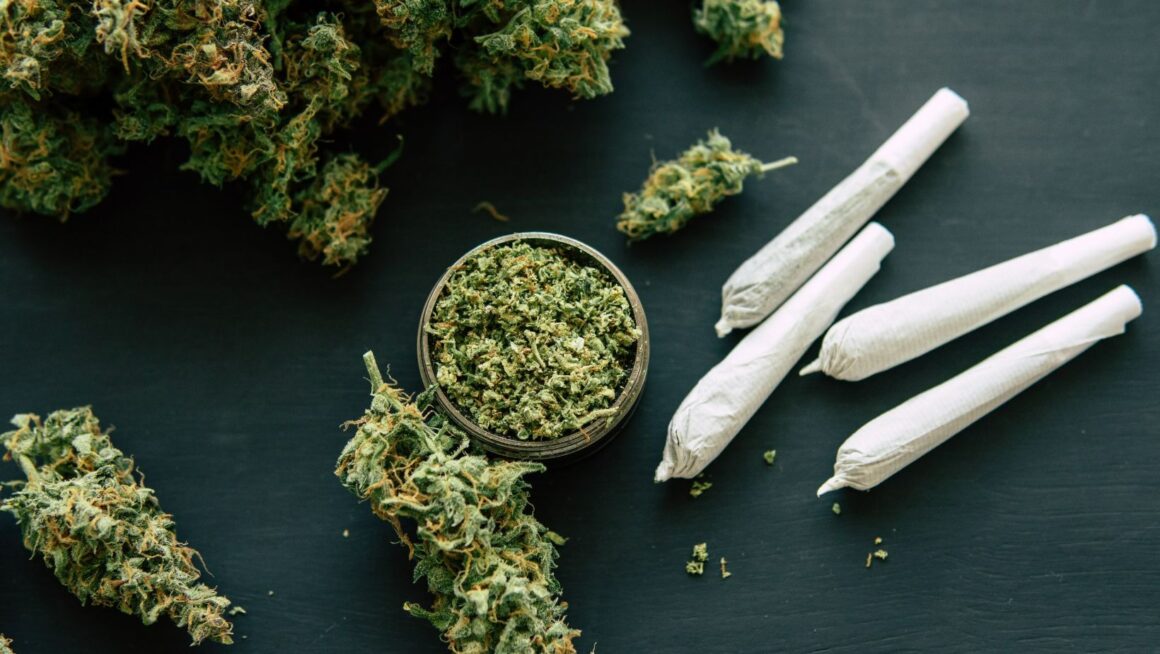
Their wide variety of product types allows consumers to choose the format that fits their lifestyle while staying within the same trust framework. Flower and pre-rolls serve those who value aroma, ritual, and immediacy. Edibles and gummies offer measured, discreet experiences. Vapes and concentrates provide portability and efficiency.
This diversity matters because wellness is not one-size-fits-all. Mood’s catalog respects that reality without forcing consumers into complexity.
For those exploring federally legal flower specifically, Mood’s tiered selection – economy, premium, and top-shelf – adds another layer of choice. Consumers can align quality, flavor, effects, and experience level with their expectations, reinforcing confidence rather than experimentation fatigue. You can explore this selection directly at Mood.com.
Transparency as Wellness Infrastructure
Trust underpins wellness. Without it, even the most thoughtfully positioned product fails.
Mood emphasizes third-party lab testing and transparency across its product line. Every item undergoes independent testing to verify potency, purity, and federal compliance. Certificates of Analysis are readily available, allowing consumers to understand exactly what they’re using – cannabinoid profiles included.
This transparency does more than satisfy regulatory requirements. It lowers anxiety. It supports informed decision-making. It positions cannabis alongside other wellness products that demand ingredient literacy and accountability.
In a category still navigating public perception, this level of openness signals maturity.
Supporting the Source, Not Just the Sale
Wellness extends beyond the end user. It includes how products are grown, sourced, and distributed.
Mood partners with more than 50 small U.S. farms, supporting American farmers and sustainable cultivation practices. This approach strengthens local economies and reduces reliance on large-scale industrial production – an important distinction for consumers who care about supply chains as much as outcomes.
Sustainability here isn’t a marketing layer; it’s structural. By investing in smaller farms, Mood helps preserve agricultural diversity while maintaining quality control. For wellness-minded consumers, that connection matters.
Accessibility Without Compromise
Historically, access to cannabis required proximity to dispensaries, medical cards, or state-specific compliance. Federally legal hemp-derived products change that equation.
Mood ships nationwide where allowed, offering discreet packaging and an online purchasing experience that feels familiar to wellness consumers. No medical card required. No retail intimidation. Just clear information and direct access.
This accessibility expands who can participate in the wellness conversation around cannabis – particularly in regions without robust retail infrastructure. It also normalizes cannabis as part of broader self-care rather than a niche or countercultural pursuit.
Community as Brand Ethos
Wellness brands increasingly recognize that impact matters. Mood extends its mission beyond products through community and social initiatives, including support for local animal rescues and advocacy for cannabis policy reform.
These efforts reinforce the idea that cannabis wellness is not isolated – it’s social, ethical, and forward-looking. By engaging at this level, Mood contributes to a cultural shift where cannabis brands are evaluated not just by what they sell, but by how they participate.
Messaging That Matches the Moment
The most effective wellness brands speak clearly and avoid exaggeration. Mood’s approach reflects restraint. It doesn’t promise transformation. It offers tools. It doesn’t lean on rebellion. It emphasizes responsibility.
That alignment between product reality and brand voice is why Mood fits naturally into today’s wellness landscape. It treats cannabis as a complement to modern life – supportive, flexible, and intentional.
When wellness meets messaging, the result is not louder claims, but quieter confidence. Federally legal cannabis products, when positioned with care, invite a more thoughtful relationship with the plant.
Mood is helping shape that relationship – one calm moment at a time.