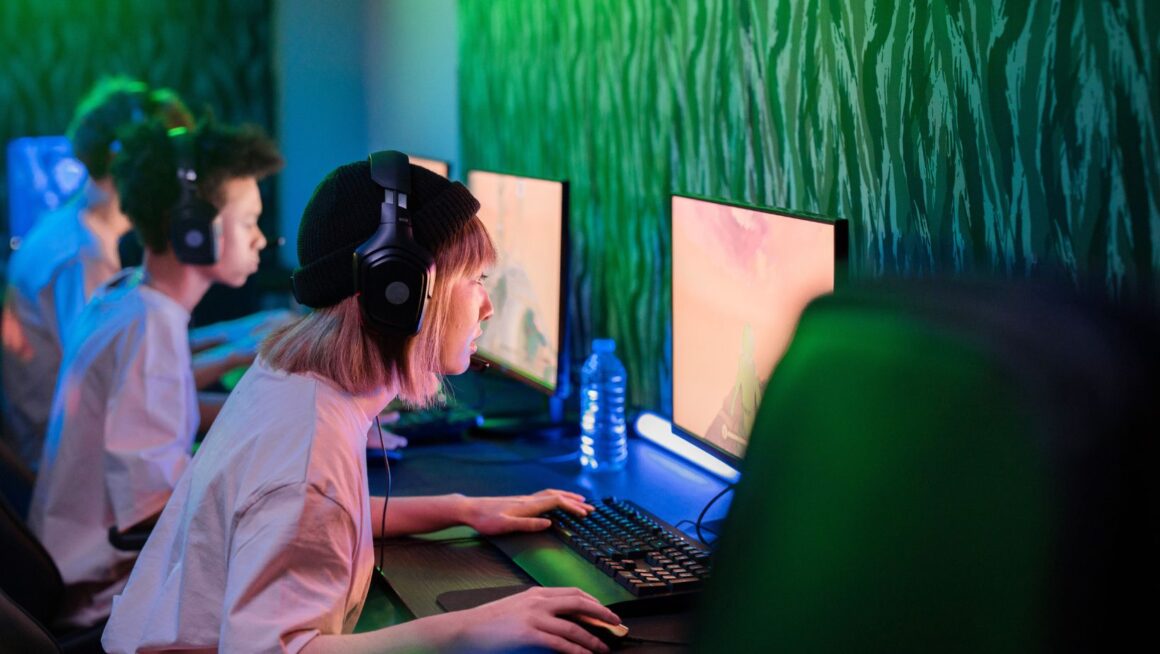
We have been told from an early age about the harmful effects video games have on us, but it turns out that isn’t entirely true. In fact, video games are not just entertainment but a meaningful tool for improving mental health as well.
According to the 2025 Global Power of Play report, gaming plays a significant role in supporting mental health and fostering social connection. The report was based on a survey of more than 24,000 players in 21 countries, and it clearly demonstrates that video games foster stress relief, creativity, adaptability, and belonging.
From Escapism to Empowerment
For decades, video games have been accused of offering escapism and are often linked to addiction or isolation. However, the latest study conducted by the Oxford Internet Institute paints a different picture. It proves that moderate gaming correlates with lower stress levels, improved emotional regulation, and greater feelings of connectedness among participants.
One of the key findings is how gaming differs from passive forms of entertainment, like watching television. Games demand engagement, problem-solving, and teamwork, offering what psychologists call active coping mechanisms for mental well-being.
Social Spaces That Heal
Online multiplayer titles, in particular, have proven vital for social health. During the COVID-19 pandemic, many players turned to games like Animal Crossing: New Horizons and Fortnite to stay connected. According to a study by the American Psychological Association (APA) “online video game play was a safe and fun way to interact with others” during the COVID-19 stay-at-home orders, helping maintain feelings of connectedness. Online games acted like social hubs, allowing people to stay in touch and remain connected to their loved ones.
Mental-health organizations were quick to jump on the bandwagon and have started looking for ways to collaborate with game creators. Campaigns like “Safe In Our World” and “Take This” aim to educate players and studios about mental health awareness, offering resources directly inside game menus and online communities.
The Business of Mental Wellness in Gaming
Gaming companies have been aware of the mental health benefits their products can have and have started several campaigns focusing on mental health advocacy. Major publishers like Microsoft, Sony, and Ubisoft have launched in-game events supporting mental health charities, and smaller studios are expected to follow suit.
The trend also extends to iGaming. Platforms like MetaWin Casino, for example, have implemented features that promote responsible play and digital balance, encouraging players to take breaks and track time spent online. Similar initiatives signal the online gambling industry’s shifting approach and increased responsibility towards its players.
Changing Public Perception
Video games have been stigmatized since they first appeared in the 1970s and 80s. There were always groups calling for banning or at least restricting access to them. While to most this sounded like simple fear-mongering, there is no denying that at least some of the concerns were legitimate. Excessive gaming carries a lot of risks. The key, like with most things, is moderation.
Changing public perception about the impact of gaming is not an easy task, considering the past. Regardless, it may become necessary if we are to experience the full benefits of it.
Conclusion
We live in a world where the boundaries between digital and physical life blur increasingly. The need for a balance between the two has never been clearer than today. The role of video games in helping us preserve our mental health is undeniable, but only if we practice moderation and mindfulness. Despite this study, the effects of excessive gaming are still very much present and represent a clear risk behavior, especially for vulnerable groups like children and young adults. Hopefully, news like this one can spur the industry into action and motivate it to start taking its role more responsibly.