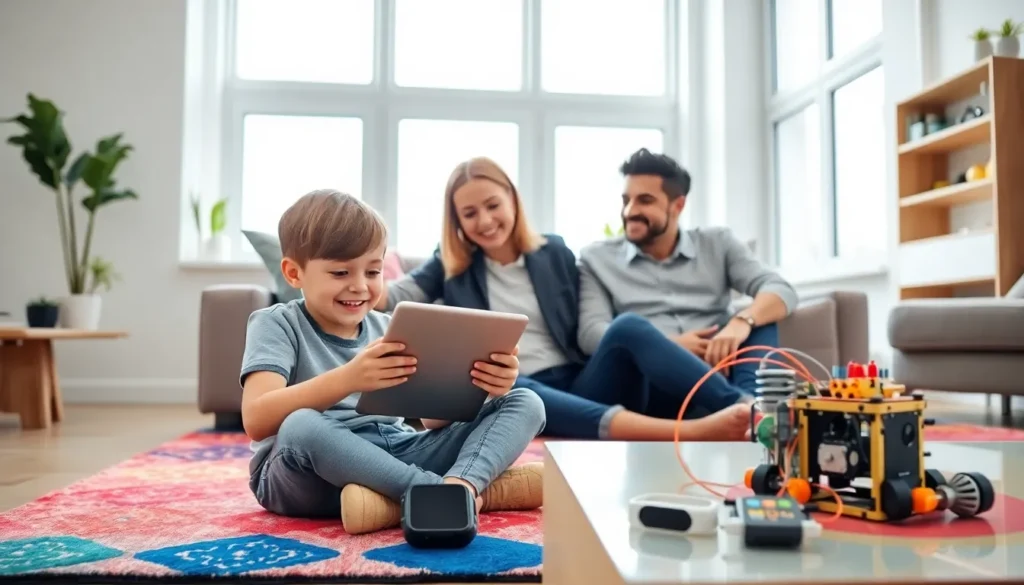
Navigating the world of kids gadgets can feel like trying to assemble an IKEA bookshelf without the instructions. Frustrating, right? Yet, these shiny devices can offer educational and entertaining experiences for children while providing some much-needed peace for parents. Buckle up as we explore how these gadgets fit into children’s lives, the benefits they offer, and how to choose wisely in this tech-savvy age.
Kids Gadgets

In modern digital era, gadgets are more than just toys: they are tools for learning, creativity, and connection. From smartphones to smartwatches, children are exposed to technology at an increasingly young age. As parents, understanding this integration is crucial. Gadgets can foster communication, help develop problem-solving skills, and encourage exploration. But, it’s essential to recognize the balance between embracing technology and ensuring it doesn’t overshadow real-world interactions.
Benefits of Kids Gadgets
Kids gadgets are not just about entertainment: they come packed with benefits that can significantly enhance a child’s development.
- Educational Content: Many gadgets provide access to educational apps, making learning fun and interactive. Mathematics games, language apps, and science-based activities stimulate young minds in engaging ways.
- Skill Development: Critical thinking and coding skills can be developed via age-appropriate applications, preparing kids for future careers.
- Creativity and Expression: Gadgets enable children to express themselves artistically through photography, music, and digital art platforms. Creativity is a vital life skill, and gadgets can serve as powerful tools for expression.
- Social Connection: In a world where friends might be just a video chat away, gadgets allow for social interaction beyond physical boundaries. Kids can collaborate on projects, play games, or simply talk to friends, so fostering relationships.
Types of Popular Gadgets for Kids
Kids gadgets come in various forms, each catering to different interests and age groups. Popular types include:
- Tablets: These versatile devices offer educational apps, eBooks, and games designed specifically for children. Brands often create models catered to younger users with parental controls and kid-friendly content.
- Smartwatches: Wearable tech for kids has gained popularity. Smartwatches can track fitness, allow messaging, and even manage screen time. They’re trendy and practical.
- E-Readers: For the bookworms out there, e-readers not only store thousands of books but also support features like adjustable text size and built-in dictionaries that enhance reading comprehension.
- STEM Kits: These gadgets encourage hands-on learning in science, technology, engineering, and mathematics. Kids can build robots, engage in coding activities, or experiment with electronics, often blending fun with education.
Safety and Screen Time Guidelines
When it comes to kids and gadgets, safety should always be a top priority. Managing screen time is essential for ensuring that technology enhances rather than hinders a child’s development. Here are some guidelines:
- Establish Limits: The American Academy of Pediatrics recommends defining clear daily limits for screen time based on age. This not only prevents overexposure but also encourages outdoor play and real-life interaction.
- Content Monitoring: Always review the apps and games your children use. Opt for those with educational value or those that promote creativity and skill-building. Parental controls can help you manage the digital content easily.
- Encourage Breaks: Frequent breaks can help reduce eyestrain and promote physical activity. Encourage children to step away from screens every hour to recharge.
Choosing the Right Gadgets for Different Age Groups
Selecting the right gadget can be challenging with the plethora of options available. Adhering to age-appropriate recommendations can help you make effective choices:
- Toddlers and Preschoolers: Look for educational toys with sound, colors, and tactile elements. Tablets designed for younger learners come with protective cases and user-friendly interfaces.
- School-Aged Kids: For kids aged 6-12, tablets or e-readers can foster learning. Smartwatches can introduce responsibility, allowing them to manage their scheduling while staying connected.
- Tweens and Teens: Approaching the teenage years typically means increased digital exposure. Laptops and smartphones can help with schoolwork, but ensure they’re equipped with necessary protective measures.
Balancing Technology and Traditional Play
Digital devices should enhance life, not replace traditional experiences. Balancing gadget time with play encourages physical and social skills:
- Outdoor Activities: Encourage kids to play outside, whether it’s riding bikes, playing sports, or simply roaming the backyard. Nature-based play helps develop gross motor skills and fosters a sense of adventure.
- Family Game Nights: Combine digital and traditional by hosting game nights that include both board games and video games. This mix allows for interaction and friendly competition, strengthening family bonds.
- Creative Arts: Promote skills by involving kids in art projects, music, or crafting. Integrating hands-on activities alongside gadget use helps cultivate a well-rounded individual.