Visual style in games is not just about beautiful imagery. It is a language through which a game communicates with the player, creating an emotional connection and forming the first impression. From the stylized graphics of indie projects to the detailed art concepts of AAA titles—every element of visual design influences the commercial success of a game.
The Impact of Visual Style on Game Perception
Research shows that players form an opinion about a game within the first 8 seconds of watching a trailer or looking at screenshots. Visual style becomes a decisive factor when choosing a game on Steam or in mobile stores, where competition for attention is especially high.
Successful examples demonstrate the power of thoughtful visual direction. Cuphead won over millions of players thanks to its unique 1930s-inspired animation. Hollow Knight became a cult classic due to its atmospheric hand-drawn art. These projects prove that a strong visual style can compensate for a limited budget and ensure brand recognition.
Key Elements of Effective 2D Art in Games
Color Palette and Mood
A well-chosen palette sets the emotional tone of a game. Warm shades create a cozy atmosphere in simulators, while cool tones emphasize tension in horror games. According to a RMCAD study on the psychology of color in games, color palettes significantly influence players’ emotional engagement, enhancing visual appeal and motivating them to explore the game world.
Composition and Readability
In 2D games, it is especially important to ensure clear separation between gameplay elements and the background. The player should instantly understand what is interactive and what is decorative.
Animation and Liveliness
Even static 2D elements should “breathe.” Subtle animations, particles, and effects create the feeling of a living world and keep the player’s attention.
When to Consider 2D Art Outsourcing
Creating high-quality 2D content requires specialized skills and significant time investment. Many studios face a dilemma: hire in-house artists or use 2D art outsourcing.
Advantages of external teams:
- Access to specialized skills without long-term commitments
- Fast scaling of the team to match the project’s needs
- Reduction of development time up to 30–40%
- Allowing the internal team to focus on core mechanics
When outsourcing is especially effective:
- Limited budget for hiring in-house artists
- Tight development deadlines
- The need for specific styles or techniques
- Peak production workloads
Expert Insight from VSquad Studio
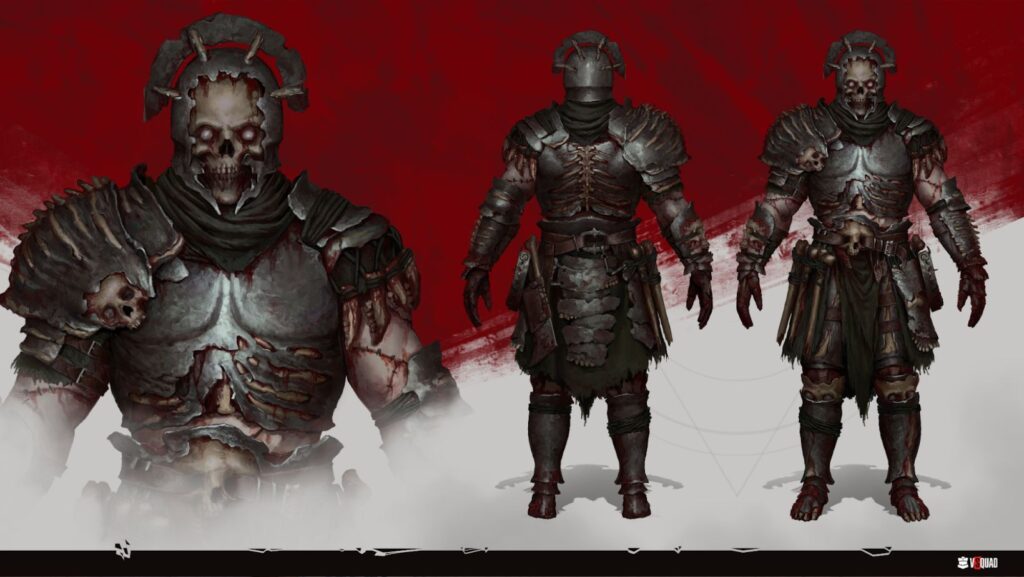
As noted by the VSquad Studio team, who worked on projects such as Wayfinder and Darksiders Genesis, the key to successful outsourcing is deep integration into the development process. “We don’t just execute technical tasks,” says the studio’s Art Director, Volodymyr Liubchuk. “We become part of the development team, understand the project’s vision, and adapt our workflow to the specifics of each game.”
Over 10 years of work, the studio has observed an important trend: the most successful projects are those where the visual style is defined early in development and consistently refined throughout the production cycle.
Technical Aspects of Modern 2D Game Art
Modern 2D games often use hybrid approaches, combining traditional graphics with 3D elements, procedural generation, and dynamic lighting. As highlighted in a study on 2024 game art trends, stylized realism with advanced techniques is becoming the dominant direction in the industry.
Relevant technologies:
- Spine and DragonBones for skeletal animation
- Shader effects for creating depth in 2D
- Procedural texture generation
- Responsive UI for different resolutions
Practical Recommendations for Developers
- Define core visual principles at the concept stage
- Create a style guide to maintain consistency
- Test art with your target audience before full implementation
- Plan resources with iterations and refinements in mind
- Consider outsourcing as a strategic decision, not just a temporary fix
The right visual style and professional execution of 2D art can turn an ordinary project into a cult classic. For developers, this means that investing in strong visuals is not only about aesthetics — it is about creating lasting emotional experiences that resonate with players.